





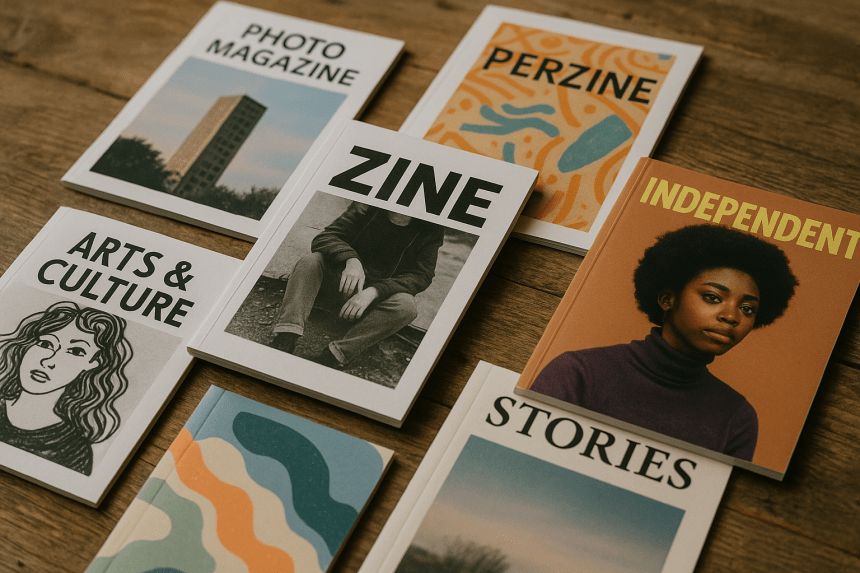
The Revival of Zines: How Independent Magazines are Reshaping Cultural Narratives
In an era dominated by digital media, the resurgence of zines proves that the charm and intimacy of printed matter can still captivate audiences. These independent magazines, often produced in small quantities, embody a unique spirit of self-expression and creativity. The revival of zines is not merely a nostalgic return to the past; it represents a vibrant movement that challenges mainstream narratives and creates space for diverse voices.
Zines first emerged in the mid-twentieth century as a means for subcultures to share their thoughts and art. During the punk movement of the 1970s and 1980s, zines became essential communication tools for communities marginalized by larger media outlets. Today, these small publications are experiencing a renaissance, drawing in a new generation eager to explore alternative perspectives.
The process of creating a zine is often grassroots and collaborative. Individuals and collectives come together, driven by shared passions. Sometimes, the atmosphere resembles a bustling art studio, where a diverse group of creators gather to brainstorm ideas, slap together collages, and print with an almost palpable excitement. The scents of ink and paper mingling with the sounds of laughter and animated discussions create an inviting environment that inspires creativity and collaboration.
In this digital age, where information is oftentimes fleeting, zines provide a tangible experience that is both personal and profound. Each publication can be filled with illustrations, poetry, essays, or photographs, reflecting the creator’s worldview. This hands-on approach fosters a sense of ownership and authenticity, encouraging readers to engage deeply with the content.
The revival of zines is evident in the growing number of zine fairs and workshops held in communities around the world. These empower people to share their stories and ideas outside traditional publishing avenues. At these events, creators set up stalls adorned with colorful covers and creative displays. Conversations flow freely as attendees peruse stacks of zines, each one telling a unique story or discussing relevant social issues. This interaction bolsters a sense of community, enabling connections that often lead to collaborations and friendships.
One of the most significant impacts of the current zine renaissance is its role in amplifying marginalized voices. Independent magazines often focus on underrepresented topics, providing platforms for communities that may be overlooked by mainstream media. From queer narratives to feminist perspectives and immigrant experiences, these publications challenge dominant discourses and contribute to a richer, more inclusive cultural landscape. The unique angles found in zines create a tapestry of stories that resonate widely yet remain personal.
Moreover, the DIY culture associated with zines encourages people to take control of their narratives. In a world dominated by corporate media, the ability to publish one’s thoughts and art fosters a sense of empowerment. This democratization of the publishing process invites everyone, regardless of background or experience, to share their truths. The result is a diverse array of publications, each reflecting the thoughts and creativity of individuals who would otherwise seldom find a platform.
The themes explored in zines resonate with contemporary social movements, echoing the calls for justice, inclusivity, and authenticity. Through the pages of independent magazines, voices of protest and solidarity come to life. This engagement enhances public discourse and serves as a reminder of the power of grassroots storytelling. The art of zine-making transforms into a form of activism, advocating for change while celebrating the beauty of individuality.
As society becomes more aware of the importance of representation and inclusivity, the revival of zines acts as a catalyst for change. These small yet mighty publications challenge the status quo, encouraging readers to question the narratives presented to them. The flavors of creativity, resistance, and community are distilled into each page, inviting readers to savor the richness of diverse thought.
The landscape of independent magazines continues to evolve, driven by passionate creators and engaged audiences. The revival of zines serves as a testament to the enduring need for personal expression and authenticity in storytelling. As we navigate a world filled with ever-changing narratives, zines stand as an important reminder of the power of independent voices and the beauty of sharing our stories. In this dynamic cultural landscape, the pages of these small publications will continue to inspire, challenge, and shape the narratives of our time.