


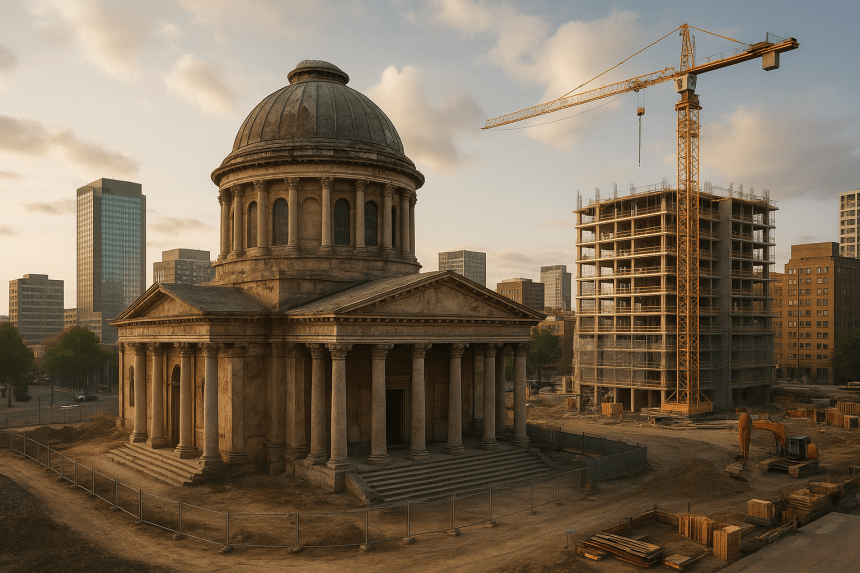
The Lasting Legacy: Reviving Historical Landmarks in the Face of Urban Development
Urban development often comes with the promise of modernization and efficiency. New buildings sprout in city centers, and vibrant districts emerge from former industrial sites. However, this progress can sometimes overshadow the rich history that lies beneath the surface. Amidst this tension, a movement to revive historical landmarks is gaining traction, aiming to preserve cultural heritage while adapting to contemporary needs.
Historical landmarks serve as tangible connections to the past, telling stories of community and identity. These sites are not merely buildings; they embody the spirit and legacy of those who came before us. Preserving these landmarks provides a unique opportunity to celebrate local craftsmanship, architectural styles, and historical events that shaped our communities. In many cases, they become focal points for social gathering and cultural expression, enriching the urban landscape.
A significant challenge in reviving historical landmarks is balancing preservation with the demands of urban development. Flipping a derelict structure into a modern space often requires innovative thinking. Designers and architects must bridge the old and the new while respecting the original features that make a landmark unique. Creative approaches can allow the repurposing of these spaces to serve contemporary needs, such as converting an old factory into a lively art space or transforming a historic theater into a modern performance venue.
Engaging the community is another cornerstone of successful landmark revival. Local residents often hold a wealth of knowledge about the history and significance of these sites. Public forums allow for collaboration between developers, historians, and community members, creating a platform for shared ideas and visions. Involving residents fosters a sense of ownership and pride, which is essential for the sustainable success of revitalized landmarks.
The atmosphere surrounding these restored sites often becomes a hub of creativity and innovation. Markets, festivals, and artistic installations can bring fresh energy to the area, attracting not only locals but also visitors eager to experience the revitalized space. Street performers may enliven cobblestone pathways, while artisanal food vendors showcase regional flavors. This blend of history and modernity nurtures a dynamic cultural scene that encourages collaboration across various artistic disciplines.
Moreover, historical landmarks frequently promote economic rejuvenation in their neighborhoods. By attracting visitors, they can stimulate local businesses and create job opportunities. Businesses that honor the character of the area while offering contemporary products and services tend to flourish. This synergy between historical preservation and economic development can transform formerly neglected areas into thriving centers of activity.
Preserving historical landmarks is also an act of environmental stewardship. Reusing existing structures often requires fewer resources than constructing new buildings from the ground up. By repurposing these sites, communities reduce waste and minimize their carbon footprint, aligning with broader sustainability goals. This mindful approach to urban development acknowledges the importance of sustainable practices while celebrating shared heritage.
As urbanization continues to shape our landscapes, it is crucial to mirror this change with responsibility. The revival of historical landmarks offers a bittersweet harmony between old and new, keeping the heart of communities alive while paving the way for future generations. Each preserved site stands as a testament to resilience and adaptation, celebrating the rich tapestry of human experience that continues to evolve.
The movement to revive historical sites is not just about maintaining buildings, but about nurturing the stories, culture, and identity that define our communities. As we move forward in our urban pursuits, we have an opportunity to create spaces that reflect our values and aspirations, ensuring that the legacy of the past remains vibrant in the tapestry of tomorrow. In doing so, we not only honor those who came before us but also cultivate an environment conducive to creativity, inclusivity, and economic vitality.




 English
  Arabic
  Khmer
Khmer  Vietnamese
  Tagalog
  Italian
  Spanish
  Japanese
  Chinese
  German
  French