


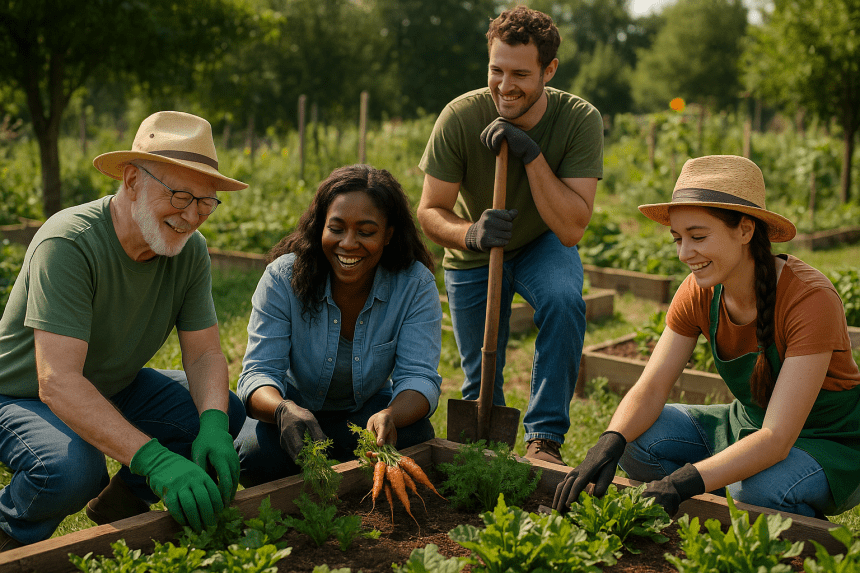
Growing Together: The Joy of Community Garden Working Bees
As urbanization transforms our landscapes, the need for green spaces becomes increasingly vital. Community gardens emerge as vibrant havens where neighbors can connect, grow fresh produce, and nurture their local environment. At the heart of these gardens are working bees—regular gatherings where community members come together to plant, weed, water, and harvest. The joy of these events extends far beyond gardening, creating bonds among participants and enhancing the spirit of neighborhood camaraderie.
Building Connections Through Gardening
There is something inherently therapeutic about digging your hands into the soil. For many, the act of gardening fosters a sense of peace and grounding that modern life often lacks. Community garden working bees offer an ideal opportunity for individuals to immerse themselves in this calming experience while simultaneously creating meaningful connections.
As participants gather for a working bee, they come with diverse backgrounds, experiences, and gardening skills. Newcomers often find their apprehensions ease as they receive a warm welcome from seasoned gardeners. This exchange of knowledge is mutual; fresh perspectives can spark creative ideas and inspire new gardening techniques. Whether someone is a novice or an experienced green thumb, everyone has something to contribute, creating a welcoming atmosphere filled with laughter, conversation, and shared triumphs.
The Shared Harvest of Teamwork
Working bees often bring neighbors together over a shared purpose: the cultivation of a thriving garden. When individuals join forces, the work becomes lighter, and the sense of accomplishment multiplied. Tasks that may seem daunting when approached alone become manageable and even enjoyable in a group setting. Together, participants plant seeds, mend fences, clear weeds, and prepare plots for the upcoming season.
One of the most rewarding moments comes during harvest time, when the collective effort bears fruit—literally and figuratively. Participants appreciate not only the bountiful yield of fresh vegetables and herbs but also the knowledge that their hard work has contributed to the community. Sharing harvests among neighbors strengthens bonds and encourages the spirit of mutual support that is the essence of a successful community garden.
Learning and Growing Together
The learning that occurs at working bees is expansive. Each session presents an opportunity for practical, hands-on education about various gardening techniques, sustainable practices, and seasonal planting. More experienced gardeners often share tips on pest management or organic gardening techniques, while novices can inquire about the intricacies of crop rotation or companion planting.
This shared knowledge fosters a nurturing environment where everyone can grow—not just plants, but also skills and relationships. Workshops and discussions often arise organically during breaks, transforming working bees into communal classrooms. The joy of seeing seeds sprout and plants flourish parallels the growth of connections among participants, turning the garden into a blossoming classroom where everyone is a student and teacher.
Fostering Inclusivity and Diversity
Community gardens often reflect the diversity of the neighborhoods they inhabit. Encouraging inclusivity within gardening events ensures that everyone feels welcome to participate. Organizers can consider multi-lingual signage, incorporate culturally relevant plants, and plan activities that cater to various age groups and abilities.
Making special provisions for children, seniors, and individuals with disabilities creates an environment where everyone can contribute and enjoy the experience. Planting flowers, organizing crafts, or even story time can engage younger participants, while veteran gardeners can impart wisdom to the next generation. When every member of the community has their place in the garden, a richer tapestry of connections develops among neighbors.
Organizing Successful Working Bees
To nurture such rich experiences, organizing working bees should focus on creating a relaxed and accommodating environment. The first step is scheduling regular events that can allow community members to plan accordingly. Setting a consistent day and time each month fosters anticipation and habit.
Communication is crucial; utilizing neighborhood social media groups, flyers, or community boards ensures that all voices are heard and engaged. Providing refreshments can create a warm and inviting atmosphere, allowing for relaxed conversation and connection amid the hard work. Incentives, like sharing the leftovers after the harvest or hosting potluck meals, can further enhance participation and build excitement around the events.
A Garden of Joy and Connection
Through the simple act of coming together to labor in the soil, community garden working bees cultivate more than just vegetables. They grow relationships, foster learning, and strengthen community bonds, creating a shared sense of belonging within the neighborhood.
The time spent digging, planting, and harvesting serves as a reminder of the joy found in collaboration and the beauty of shared purpose. As the seasons change and gardens flourish, so too do friendships and community spirit. Embracing this interconnectedness, neighborhoods can transform into vibrant, thriving ecosystems where every plant and every person contributes to the garden’s overall health and well-being.
In a world that often feels increasingly disconnected, community garden working bees can serve as precious opportunities to reconnect, grow, and thrive together. The next time you see a call for volunteers, consider joining in—it may very well bloom into friendships and cherished memories that last well beyond the last harvest.



 English
  Arabic
  Khmer
Khmer  Vietnamese
  Tagalog
  Italian
  Spanish
  Japanese
  Chinese
  German
  French