





The Heartbeat of New Orleans: Jazz and the Soul of a City
New Orleans, a vibrant city with a rich cultural history, stands as a testament to the power of music. Among its many offerings, jazz shines as the quintessential sound of the city, a genre that permeates the air like the sweet scent of beignets in a bustling café. Jazz is not merely a musical style; it is the heartbeat of New Orleans, deeply interwoven with the city’s identity and the experiences of its people.
The origins of jazz can be traced back to the rich tapestry of cultural influences that have converged in New Orleans. African rhythms, European harmonies, and the heartwarming traditions of the Creole community combined to give birth to this unique genre. The blending of these diverse musical styles reflects the city’s history of resilience and innovation. As locals gather on street corners and in dimly lit bars, the sounds of trumpets, saxophones, and trombones create an atmosphere that is both alive and inviting.
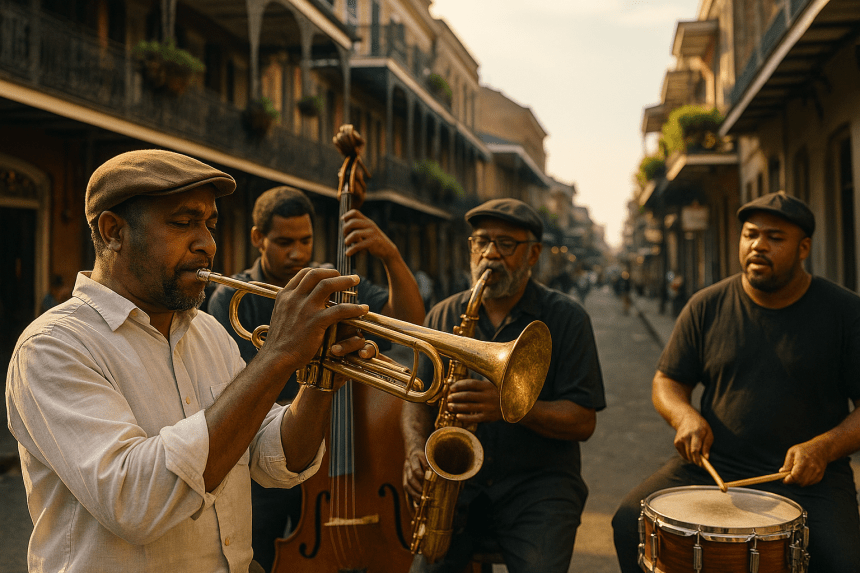
Walking through the French Quarter, visitors are greeted with lively sounds echoing from open doors and outdoor patios. Musicians perform in every nook, sharing their artistry with passersby and inviting all to join the celebration. The spontaneous musical gatherings, often underscored by the clinking of glasses and laughter, embody the spirit of New Orleans—a place where everyone is welcome to revel in the joy of rhythm.
As the sun sets, the city transforms into a vibrant canvas painted by the sounds of jazz. The clubs and venues come alive, drawing crowds eager to experience the fusion of talent and emotion that defines every performance. The improvisational nature of jazz means that no two performances are alike. Musicians often engage in a dialogue, communicating through melodies and harmonies that echo their shared experiences. This interaction creates a sense of community that transcends barriers, inviting all who listen to be part of the moment.
Jazz festivals held throughout the year pay homage to this beloved genre, showcasing both legendary artists and emerging talents. These events serve as a gathering place for music lovers from around the world, all seeking to immerse themselves in the vibrant sounds of the city. For many, attending a jazz festival is a rite of passage, a chance to witness the rich history of the genre while enjoying the flavors of local cuisine. The combination of rhythm and flavors—spicy gumbo, sweet pralines, and freshly caught seafood—creates an experience that nourishes both the body and soul.
In addition to the music, the culture of New Orleans thrives in its art and dance. Artists capture the essence of jazz through paint, sculpture, and performance, depicting the energy and emotion that the music evokes. Dance halls come alive with people moving to the infectious beats, embodying the very spirit of the city. This celebration of artistry and expression reflects a deeper connection to the cultural roots that continue to shape New Orleans.
Jazz also tells the stories of the people who have lived and loved in this vibrant city. Each note played carries the weight of history, from the struggles of the past to the hopes of the future. The music resonates with themes of love, loss, and celebration, encapsulating the universal human experience. This narrative quality is what draws many to jazz; it becomes a shared experience, bridging gaps and fostering understanding among diverse audiences.
As visitors and locals alike stroll along the riverfront or venture into the heart of the city, the sounds of jazz serve as both a backdrop and a celebration of life. Whether it is the early morning serenades of street musicians or the late-night jam sessions in cozy venues, the music is a reminder that New Orleans is a place where creativity flourishes. Here, jazz is more than a genre; it is the soul of a city, a living, breathing entity that dances through the streets, inviting all to join in its timeless embrace.
In a world of constant change, the enduring spirit of jazz remains steadfast in New Orleans. It continues to evolve while staying true to its roots, making the city a living embodiment of musical heritage. The heartbeat of jazz flows through the streets, echoing the resilience and vibrancy of New Orleans, reminding everyone who hears it that music has the power to unite and elevate the human experience.