





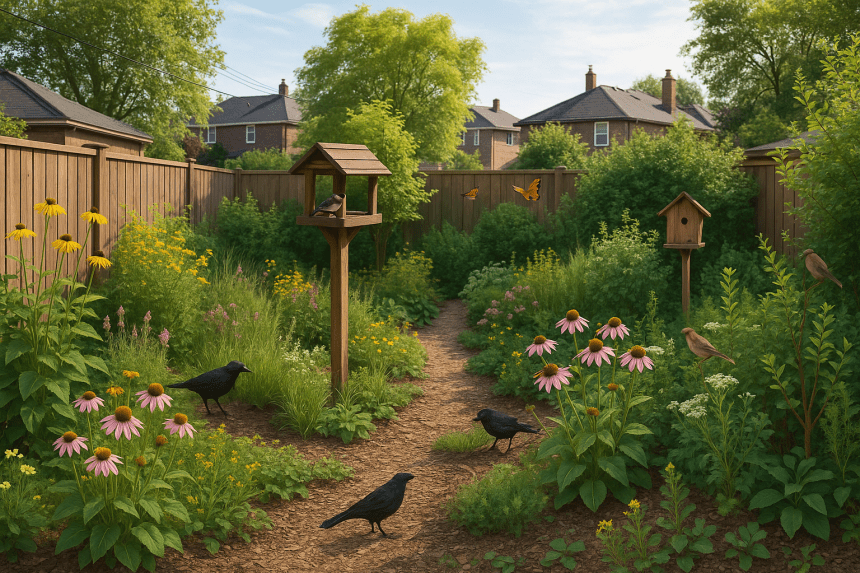
Creating a Backyard Wildlife Corridor to Enhance Biodiversity in Urban Areas
Urban areas are often characterized by concrete landscapes, which can fragment natural habitats and hinder wildlife movement. However, creating a backyard wildlife corridor offers a solution that fosters biodiversity while enhancing the quality of life for both humans and animals. This initiative not only promotes ecological health but also encourages community engagement in local conservation efforts.
A wildlife corridor is a designated pathway that provides safe passage for animals between fragmented habitats. In urban settings, these corridors can connect backyards, parks, and other green spaces, allowing wildlife to thrive. By integrating natural elements into suburban environments, residents can create a network that supports various species, contributing to ecological stability.
One of the first steps in establishing a wildlife corridor is assessing the local environment. Individuals should take stock of the plants and animals already present in their area. Understanding the local ecosystem helps in selecting appropriate plants that will attract beneficial wildlife, including pollinators such as bees and butterflies, as well as birds and small mammals. Native plants are particularly effective, as they provide food and shelter suited to local species.
Creating a wildlife-friendly garden involves reducing the use of pesticides and herbicides that can harm not only target pests but also beneficial organisms. Instead, organic gardening practices and integrated pest management techniques can be employed to maintain plant health while protecting wildlife. Incorporating natural features such as water sources, brush piles, and native plant gardens creates a more inviting environment for various species.
Another beneficial approach to enhancing a backyard habitat is to design for vertical space. Planting a mix of tree canopies, understory shrubs, and ground cover forms complex layers, which provide diverse habitats for different animals. Nesting boxes and birdhouses can encourage local birds to take up residence, helping to control insect populations naturally.
Connectivity is key when constructing a wildlife corridor. Residents can link their properties to create passageways that allow for seamless movement of wildlife. Simple steps such as installing fences that are wildlife-friendly can reduce barriers. Incorporating gaps or tunnels in fencing can help small animals navigate through neighborhoods when traveling between green spaces.
Community involvement is critical to the success of a wildlife corridor. Organizing neighborhood events, such as native plant sales or habitat restoration days, fosters a sense of shared purpose. This collective effort not only enhances the ecological landscape but also strengthens social bonds among residents. Workshops focusing on wildlife gardening, composting, and sustainable practices can empower community members with knowledge and resources.
Monitoring the success of wildlife corridors can be accomplished through citizen science initiatives. Residents can participate in surveys to track bird populations, pollinator activity, and other wildlife sightings. This data not only illustrates the positive impacts of the corridor but also informs ongoing conservation strategies.
The benefits of establishing a backyard wildlife corridor extend beyond supporting biodiversity. These green spaces can improve air quality, reduce noise pollution, and provide aesthetic value to urban settings. Furthermore, engaging with nature has been shown to improve mental health and well-being, making wildlife corridors not only a boon for animals but also for people.
In summary, creating a backyard wildlife corridor is an accessible and impactful way to enhance biodiversity in urban areas. By fostering a community-centric approach, individuals can transform their landscapes into vibrant habitats that support wildlife. As urbanization continues to expand, these initiatives provide essential links to nature, ensuring that both people and wildlife can thrive in harmony. Embracing this endeavor nurtures the environment and encourages a lasting legacy of stewardship for future generations.