



The Nostalgia of Simplicity: Why We Long for Our Vintage Hobbies
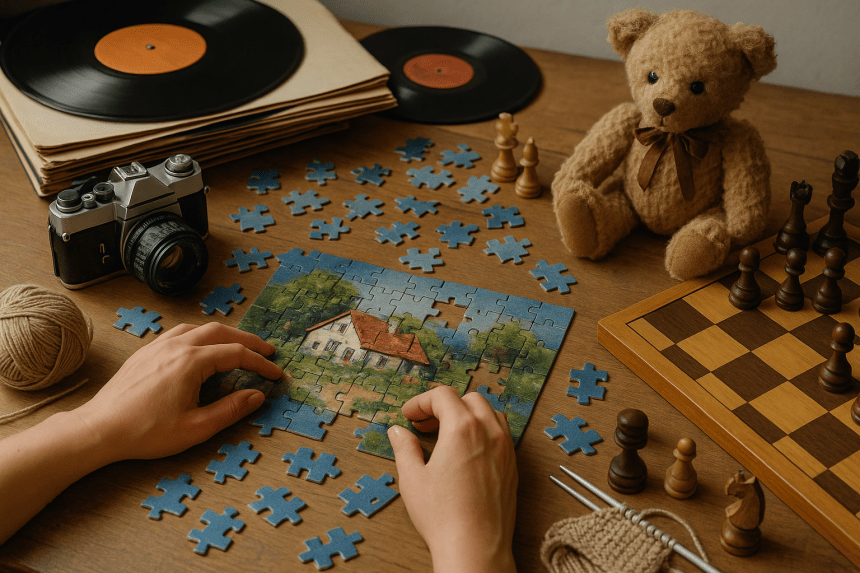
In a world dominated by rapid technological advancement and constant connectivity, a curious phenomenon is emerging. Many individuals are gravitating toward vintage hobbies that evoke simpler times. From knitting to model trains, and from vinyl record collecting to classic car restoration, these activities offer a calming antidote to the chaos of modern life. But what exactly draws us back to these pastimes? Is it the longing for connection to a bygone era, or perhaps a yearning for a slower pace of life?
When considering our digital landscape, it is easy to feel overwhelmed. Notifications bombard us from every direction, and the constant pressure to engage can lead to fatigue. Vintage hobbies often serve as a refuge from this overstimulation. They remind us of a time when life demanded less from us, encouraging a slower rhythm where focus and time spent on craftsmanship took precedence. Each hobby carries a story rooted in history, stitched together by generations that cherished these practices.
Take, for example, the resurgence of knitting. What was once associated with homespun comfort has become a cultural statement of self-care and mindfulness. Knitting encourages a tactile experience that screens cannot provide. The rhythmic click of needles and the soft texture of yarn transport us back to kitchens filled with laughter and warmth. It becomes less about the completed scarf and more about the journey each stitch represents in a world that often rushes past.
Similarly, vinyl records have made a remarkable comeback. For many, the allure lies not just in the sound quality but in the deliberate act of engaging with music. Placing a needle on a record forces us to be present, to savor the moment. The tactile relationship with music invites listeners to appreciate the craftsmanship of album art and the small details that digitized music often erases. When we listen to vinyl, we are not simply consuming; we are partaking in an experience that evokes nostalgia and connection.
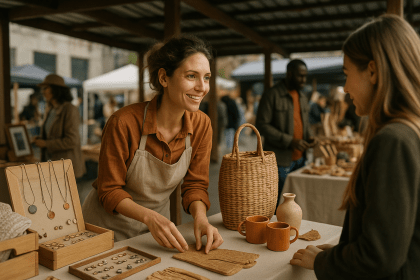
The aesthetic charm of vintage hobbies does not merely reside in their output but in the community they foster. Many enthusiasts gather to celebrate their passions, whether it is a local knitting circle or a vinyl swap meet. These gatherings create bonds among individuals who share a common love for the past, offering a sense of belonging that can often feel elusive in today’s fragmented society.
Moreover, vintage hobbies offer a break from the relentless pace of life, allowing us to step away from our carved-out roles in the virtual world. Building model trains, for example, immerses aficionados in a meticulous and intricate process that rewards patience and attention to detail. For them, each tiny piece is not just a component but a meaningful element in a larger narrative. In this act of creation, time slows down, offering moments of peace in what can be an anxiety-ridden existence.
The appeal of these vintage pursuits also touches on a broader cultural longing for authenticity. In an age dominated by fast fashion and disposable culture, there is a growing desire for items imbued with history and significance. Restoring classic cars, like a 1960s Mustang or a vintage Porsche, allows enthusiasts to breathe new life into machines that embody stories of the past. Each restoration is a labor of love, a tribute to craftsmanship that can counteract the mass production that often defines contemporary life.
On a psychological level, engaging in vintage hobbies can fulfill our intrinsic need for creativity and personal expression. Many of us possess a yearning to create something tangible. In the digital age, where much of our communication is mediated through screens, these hobbies remind us of our humanity. They engage our hands, our imagination, and our ability to bring beauty into the world in ways that glancing through a smartphone cannot replicate.
In essence, the nostalgia we feel for vintage hobbies is a reflection of our desire for simpler times. It connects us to our roots and reminds us of the importance of experiences over products. As we navigate modern life, these activities invite us to slow down, reconnect with each other, and embrace the joy found in authenticity and craftsmanship. In turn, they lead to personal fulfillment that can transform the way we experience both our past and our present.
As we continue to explore the intersection of tradition and modernity, we will likely find that our vintage hobbies are not merely relics of nostalgia, but invaluable pathways to foster joy, creativity, and connection in our lives. They serve as beautiful reminders that sometimes the simplest pleasures are the most profound, encouraging us to appreciate the journey just as much as the destination. Ultimately, vintage hobbies can help us stitch together a living tapestry of past and present, a harmonious blend that honors both simplicity and the complexity of human experience.