



The Power of Creation: How Art and Innovation Foster Vibrant Communities
In an age dominated by instant communication and rapid technological advancements, the importance of art and innovation has never been more pronounced. They are not merely tools for individual expression or commercial gain; they are vital forces that nurture and invigorate communities. When art and innovation intertwine, they give rise to a vibrant tapestry of culture, identity, and shared experience, fostering a sense of belonging among diverse groups of people.
Art, in its myriad forms, is a reflection of society. It encapsulates the thoughts, emotions, and stories of individuals and communities. From paintings adorning the walls of local galleries to street performances that enliven public spaces, art has the power to spark dialogue and encourage reflection. It allows people to communicate their aspirations and struggles, bridging gaps between different cultures and perspectives. This exchange fosters empathy and understanding, essential elements for nurturing vibrant communities.
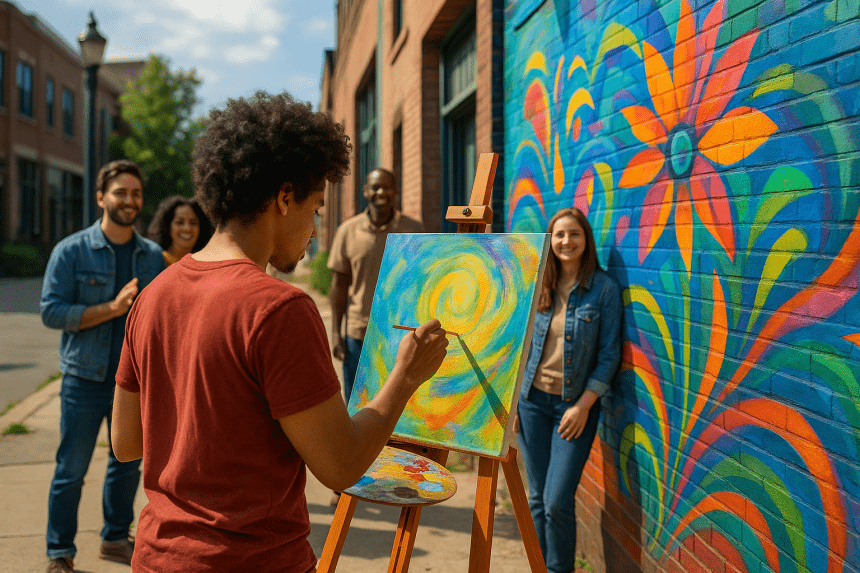
Consider the murals that adorn urban landscapes. These large-scale artworks tell the stories of a city’s history, its challenges, and its triumphs. They turn blank walls into canvases of expression, inviting passersby to pause and engage with the narratives woven into the fabric of their environment. Community mural projects often involve local artists and residents, cultivating a collaborative spirit. This interplay of voices not only beautifies neighborhoods but also strengthens community ties, as people come together to create something meaningful.
Innovation plays a complementary role in this artistic equation. It pushes boundaries and inspires new forms of creativity. In recent years, advancements in technology have enabled artists to transcend traditional mediums, exploring digital art, virtual reality, and interactive installations. These innovative approaches not only offer fresh perspectives but also democratize art, making it accessible to a wider audience. In this sense, technology has the potential to enhance creativity, inviting people who may never have engaged with art in conventional forms to participate in new ways.
Collaborative educational programs that integrate art and innovation are increasingly manifesting in urban settings. Initiatives that involve schools, artists, and tech companies help instill creativity in young minds, equipping them with the skills necessary for the future. These programs encourage students to think critically, work collaboratively, and embrace failure as a part of the creative process. As they engage with both artistic and technological mediums, students develop a holistic understanding of creativity that is crucial in today’s interconnected world.
Furthermore, the impact of art and innovation extends beyond personal development. Vibrant communities thrive on the strength of their local economies, and art can play a pivotal role in stimulating economic growth. Arts districts often attract tourists, entrepreneurs, and new residents, creating a ripple effect of opportunity. Local businesses, from coffee shops to boutiques, benefit from increased foot traffic, while artists gain a platform to showcase their work. This symbiotic relationship encourages a culture of creativity, innovation, and shared prosperity.
Urban renewal projects often highlight the transformative power of art. By integrating artistic elements into public infrastructure, cities can breathe new life into forgotten spaces. Parks adorned with sculptures, plazas featuring live performances, and community art fairs create dynamic environments that engage residents and foster a sense of pride. Such projects signal to residents that their voices matter being involved in the process can create a lasting impact on their surroundings.
Yet, as we celebrate the intersection of art and innovation, it is essential to remain critical and mindful of the challenges that can arise. Gentrification, for instance, often accompanies revitalization efforts, leading to the displacement of long-term residents and the erasure of original community identities. In this context, it becomes imperative to ensure that art and creativity serve as inclusive platforms that empower marginalized voices rather than displacing them. Collaborative community engagement must be at the forefront of any artistic initiative to safeguard against unintended consequences.
In conclusion, the power of creation through art and innovation is profound and multifaceted. It enriches individual lives, strengthens community bonds, and stimulates economic growth. As we venture into an increasingly complex and interconnected world, the role of art and innovation in fostering vibrant communities becomes even more critical. By prioritizing inclusive and collaborative approaches, we can harness the transformative potential of creativity to bridge divides, inspire change, and celebrate the rich tapestry of human experience. In doing so, we not only cultivate vibrant communities but also empower individuals to embrace their role as active participants in shaping their world.