


The Art of Leisure: How Long Lunches Define Culinary Cultures Around the World
In a fast-paced world increasingly dominated by brevity and productivity, the art of leisure offers a refreshing contrast, inviting individuals to slow down and savor the moment. One of the most significant expressions of this cultural phenomenon is the long lunch—a gathering that transcends mere sustenance and delves into the heart of culinary identity. Across the globe, cultures embrace the ritual of lengthy midday meals, creating spaces for connection, conversation, and culinary exploration.
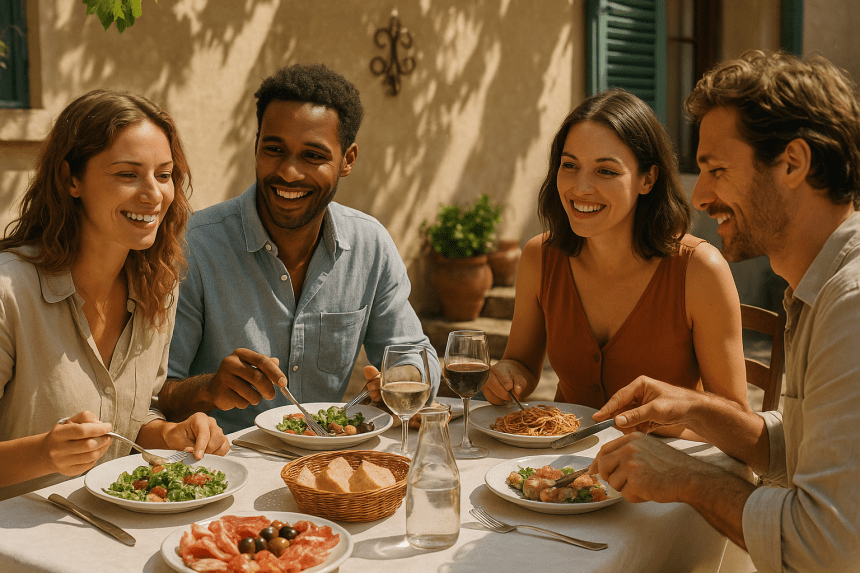
In Mediterranean countries such as Spain, Italy, and Greece, the long lunch epitomizes the philosophy of enjoying life. These meals often unfold under the warm sun, with tables adorned with an array of vibrant dishes. Diners partake in a leisurely pace, exploring flavors from fresh salads bursting with ripe tomatoes and fragrant herbs to hearty pastas enveloped in rich sauces. The sound of laughter and animated conversations blend harmoniously, as meals stretch leisurely over multiple hours. Here, the act of dining serves not only to satisfy hunger but also to forge relationships and celebrate the day’s joys.
Moving towards the East, countries like Japan and Thailand present their own interpretations of the long lunch. In Japan, the tradition of kaiseki highlights the artistry of seasonal ingredients, each dish meticulously crafted to engage the senses. This multi-course meal encourages diners to appreciate the delicate balance of flavors and presentation, promoting a sense of mindfulness throughout the experience. In contrast, Thailand offers a vivacious culinary escapade through its flavorful and aromatic dishes. A laid-back lunch in Thailand might feature glistening pad thai, fragrant curries, and fresh spring rolls, all shared among friends or family, fostering a spirit of unity and joy.
Across the Atlantic, the sharing of long lunches has found its niche in the vibrant culinary cultures of Brazil and Argentina. In Brazil, the churrasco tradition brings friends and family together around sizzling skewers of grilled meats, accompanied by colorful salads and refreshing beverages. The lively atmosphere encourages laughter and camaraderie as the meal extends into the lazy afternoon. Meanwhile, in Argentina, the ritual of the long lunch centers around asado, where the preparation of meat is a celebratory event in itself. Rich wines flow freely, and conversations dance around tables, creating a culture where food signifies connection and community.
Ultimately, the long lunch embodies more than mere culinary indulgence; it serves as a testament to the values that define various regions. Across continents, these meals highlight hospitality, community, and the importance of taking pause in everyday life. While the specific flavors and ingredients may differ, the underlying philosophy remains consistent: slower meals enhance the experience of dining, allowing individuals to appreciate not only the food but the company and the atmosphere as well.
Culinary traditions rooted in leisure foster social bonds and cultural identity, contributing to a global tapestry defined by diversity yet united by the universal joy of sharing food. In a world that often prioritizes speed and efficiency, the long lunch serves as a reminder that true nourishment comes from more than just the flavor of food; it also resides in the shared experience, the stories exchanged, and the laughter that lingers long after the last bite has been savored.
As we embrace the art of leisure in our lives, we can draw inspiration from these rich cultural traditions. Regardless of where we find ourselves in the world, we can create our own long lunch experiences, inviting friends and family to the table for a culinary journey that honors both the meal and the moment. In this way, the art of leisure not only enriches our culinary worlds but also strengthens our connections with each other, providing a delightful counterbalance to the rush of modern life.





 English
  Arabic
  Khmer
Khmer  Vietnamese
  Tagalog
  Italian
  Spanish
  Japanese
  Chinese
  German
  French