






The Rise of Feel Good Habits: How Simple Changes are Transforming Lives
In a world that often feels fast-paced and overwhelming, more individuals are turning to simple changes in their daily routines to improve their well-being. The concept of “feel good habits” has gained traction as people prioritize practices that enhance their mental, emotional, and physical health. These habits, rooted in positivity and self-care, are proving to be transformative in unleashing personal growth and happiness.
Feel good habits can take various forms, from basic self-care practices to engaging in meaningful activities. At their core, these habits focus on fostering a positive mindset and encouraging individuals to make conscious decisions for their well-being. The beauty of these practices lies in their simplicity, often requiring minimal effort yet yielding significant benefits.
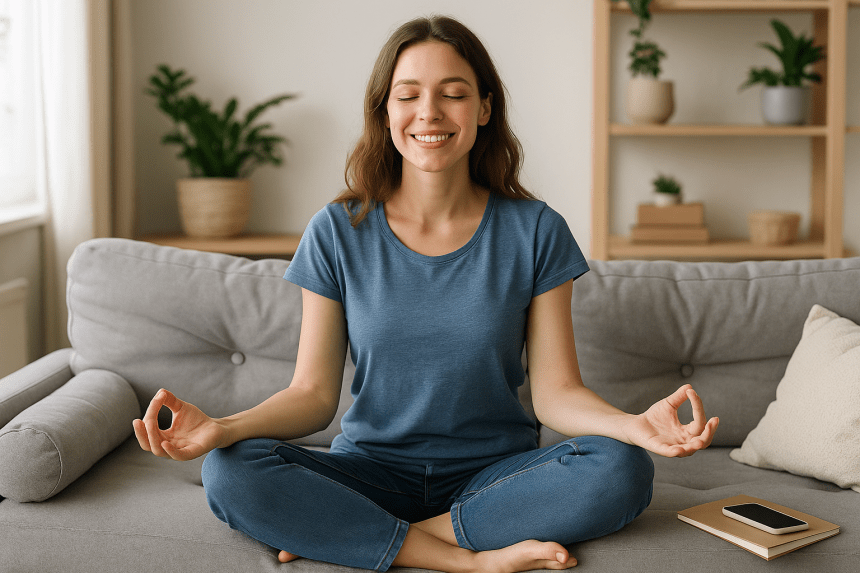
One of the most popular feel good habits is the practice of mindfulness. Mindfulness encourages individuals to be present in the moment, fostering an appreciation for life’s simple pleasures. Regularly engaging in mindfulness exercises, such as meditation or mindful walking, can reduce stress and enhance overall mood. Studies have shown that individuals who incorporate mindfulness into their routines report increased emotional resilience and improved relationships.
Another transformative habit gaining popularity is the act of gratitude. Maintaining a gratitude journal or simply taking a moment each day to reflect on what one is thankful for can shift focus from negativity to positivity. This practice not only elevates mood but also enhances overall life satisfaction. Numerous individuals have shared how prioritizing gratitude has changed their outlook on life, allowing them to find joy in even the smallest moments.
Physical activity is also a crucial component of feel good habits. Engaging in regular exercise releases endorphins, often referred to as “feel good” hormones. Whether it is a brisk walk in nature, a home workout, or a dance class, the benefits of physical movement extend beyond the physical realm. Many find that exercise is a powerful tool for managing stress, boosting self-esteem, and cultivating a sense of achievement.
Healthy eating habits also fall under the umbrella of feel good practices. Nourishing the body with wholesome foods not only supports physical health but also impacts mental clarity and emotional stability. Individuals are increasingly becoming aware of how their diet influences their mood, creating a motivation to choose nutrient-dense meals that energize and uplift.
Connection with others is yet another vital aspect of feel good habits. Building and maintaining supportive relationships can significantly influence one’s emotional well-being. Engaging in meaningful conversations, spending quality time with loved ones, or participating in community activities can foster a sense of belonging and security. Many have discovered that prioritizing social interactions leads to increased happiness and a more fulfilling life.
Establishing a daily routine that incorporates these feel good habits can be a game-changer. Creating structure in one’s day while leaving room for flexibility allows individuals to commit to practices that serve their well-being. Designing a morning ritual that includes mindfulness, gratitude, and physical activity can set a positive tone for the day ahead.
The rise of feel good habits is not just a trend but a reflection of a deeper understanding of the importance of self-care and mental health in today’s society. As awareness about the benefits of these practices continues to grow, more people are embracing the idea that small, consistent changes can lead to profound transformations. By prioritizing their mental and emotional health, individuals are learning that they have the power to influence their happiness and overall quality of life.
In conclusion, the journey towards well-being does not require drastic changes. Simple feel good habits can create a ripple effect, leading to a more positive mindset and a transformed lifestyle. By incorporating mindfulness, gratitude, physical activity, healthy eating, and social connection into daily routines, individuals are discovering the joy of living with intention. As the movement toward prioritizing these habits continues to gain momentum, more people are experiencing the powerful outcomes that result from investing in themselves and their well-being.






 English
  Arabic
  Khmer
Khmer  Vietnamese
  Tagalog
  Italian
  Spanish
  Japanese
  Chinese
  German
  French