


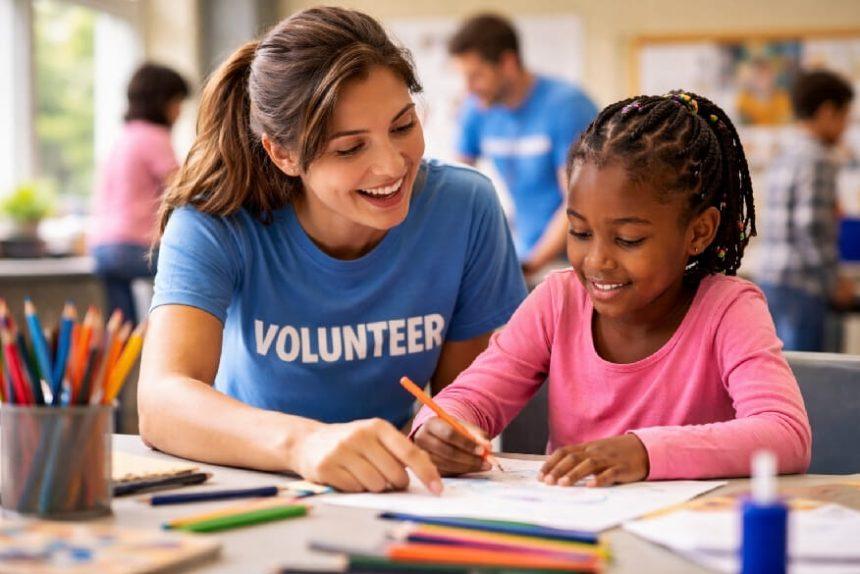
In ogni comunità ci sono persone che rendono le cose un po' più possibili. Non sono sempre le più rumorose e raramente si presentano come leader. Più spesso, sono quelle che sistemano le sedie, preparano il tè, si accertano che qualcuno si sia messo in silenzio o incoraggiano gentilmente una persona a fare un altro tentativo.
Sono le persone che, sentendo dire "Non posso", rispondono con "Proviamoci".“
A livello locale, volontari come questi possono cambiare completamente l'atmosfera di un luogo. Nei centri comunitari, nelle società sportive, nelle biblioteche, nei centri di quartiere, nei negozi dell'usato, nei programmi di assistenza alimentare e nei gruppi di supporto per le persone con disabilità, contribuiscono a trasformare i primi passi incerti in piccole vittorie. Il loro lavoro potrebbe non essere accompagnato da titoli o da riflettori, ma spesso lascia un segno indelebile.
I migliori volontari sanno che la fiducia raramente si costruisce con grandi discorsi. Si costruisce lentamente, con pazienza, ripetizione e fiducia. Chi crede di non essere bravo con la tecnologia potrebbe aver bisogno di aiuto per inviare un'e-mail. Chi torna alla vita sociale dopo una malattia, un lutto o l'isolamento potrebbe aver bisogno di un volto amico ad accoglierlo. Chi sta imparando l'inglese, cercando lavoro, iscrivendosi a un corso o provando una nuova attività potrebbe aver bisogno di essere rassicurato sul fatto che sbagliare non è la fine del mondo.
È qui che entra in gioco la persona che dice "proviamo".
Non ignorano la paura. Non si precipitano a prendere il sopravvento. Rimangono accanto alla persona abbastanza a lungo da far sì che l'impossibile diventi un po' meno intimidatorio.
Per molte persone, chiedere aiuto è difficile. Può essere imbarazzante ammettere di non sapere come compilare un modulo, usare un'app sul telefono, parlare in un gruppo, cucinare un pasto, prendere i mezzi pubblici o partecipare a un'attività in cui tutti gli altri sembrano sapere cosa fare. Un volontario premuroso se ne accorge e risponde con dignità.
Invece di dire "È facile", potrebbero dire "Possiamo farlo insieme".“
Quel piccolo cambiamento fa tutta la differenza. Elimina la vergogna dalla situazione. Trasforma il momento in una collaborazione anziché in un salvataggio.
Nei programmi comunitari, questo approccio può essere molto efficace. Una persona che prima evitava le attività di gruppo potrebbe iniziare a dare una mano ad allestire la sala. Chi era troppo nervoso per parlare potrebbe iniziare ad accogliere i nuovi arrivati. Un partecipante che aveva bisogno di supporto potrebbe gradualmente diventare a sua volta un punto di riferimento per qualcun altro.
È così che cresce la forza di una comunità. Non con balzi in avanti spettacolari, ma con piccoli gesti di coraggio.
Il volontario che trasforma un "Non posso" in un "Proviamoci" ha spesso il talento di vedere le persone al di là del momento in cui si trovano bloccate. Riesce a guardare un principiante esitante e a immaginare la persona capace che si cela dietro. Riesce a scorgere le doti nascoste che qualcuno non ha ancora riconosciuto in sé stesso. Capisce che la fiducia in se stessi non è sempre assente. A volte è semplicemente sepolta sotto anni di rifiuti, di sensazione di essere lasciati indietro o di paura di sbagliare.
Il loro incoraggiamento è pratico, non sentimentale. Potrebbero suddividere un compito in passaggi più piccoli. Potrebbero fare una dimostrazione una volta, per poi restituire il compito. Potrebbero sedersi nelle vicinanze mentre qualcuno prova, resistendo alla tentazione di intervenire troppo in fretta. Potrebbero celebrare i progressi senza farne una sceneggiata.
Il primo tentativo conta. Il secondo tentativo conta. Ripresentarsi conta.
Questo tipo di volontariato richiede pazienza. Può essere più lento rispetto al semplice svolgere un compito al posto di qualcun altro. Richiede al volontario di ascoltare attentamente, adattarsi alle diverse personalità e accettare che i progressi possano essere diversi per ogni persona. Alcuni hanno bisogno di umorismo. Altri di rassicurazioni pacate. Altri ancora di istruzioni chiare. Altri hanno bisogno di tempo per osservare prima di partecipare.
I volontari più efficaci imparano ad andare incontro alle persone là dove si trovano, piuttosto che dove pensano che dovrebbero essere.
Comprendono anche l'importanza dei limiti. Un buon volontariato non consiste nel diventare il salvatore di qualcuno, ma nell'offrire un supporto che aiuti la persona a riacquistare un senso di autonomia. L'obiettivo non è la dipendenza, ma la fiducia.
Quella fiducia può propagarsi a macchia d'olio. Una persona che impara a usare un computer comunitario potrebbe candidarsi per un lavoro. Chi si unisce a un gruppo di camminatori potrebbe fare amicizia. Un giovane che viene incoraggiato a riprovare potrebbe scoprire un talento. Una persona anziana che si sentiva invisibile potrebbe sentirsi utile e inclusa.
Nessuno di questi momenti, preso singolarmente, potrebbe sembrare degno di nota. Eppure, insieme, creano il tipo di comunità in cui le persone desiderano vivere.
Volontari come questi ci ricordano che l'incoraggiamento non è un optional, ma un elemento essenziale. Aiuta le persone a partecipare, a connettersi, ad apprendere e a riprendersi. Mantiene aperte le porte a coloro che altrimenti rimarrebbero esclusi.
In un mondo che spesso premia la velocità, la sicurezza e l'autosufficienza, il volontario silenzioso offre qualcosa di diverso. Offre tempo. Offre pazienza. Offre la convinzione che le persone siano generalmente capaci di più di quanto credano, soprattutto quando non devono affrontare tutto da sole.
E a volte, è tutto ciò che serve.
Non "Dovresti essere in grado di farlo".“
Non "Perché non l'hai ancora fatto?"“
Solo una voce calma, una presenza rassicurante e un semplice invito.
Proviamo.




 English
  Arabic
  Khmer
Khmer  Vietnamese
  Tagalog
  Italian
  Spanish
  Japanese
  Chinese
  German
  French