






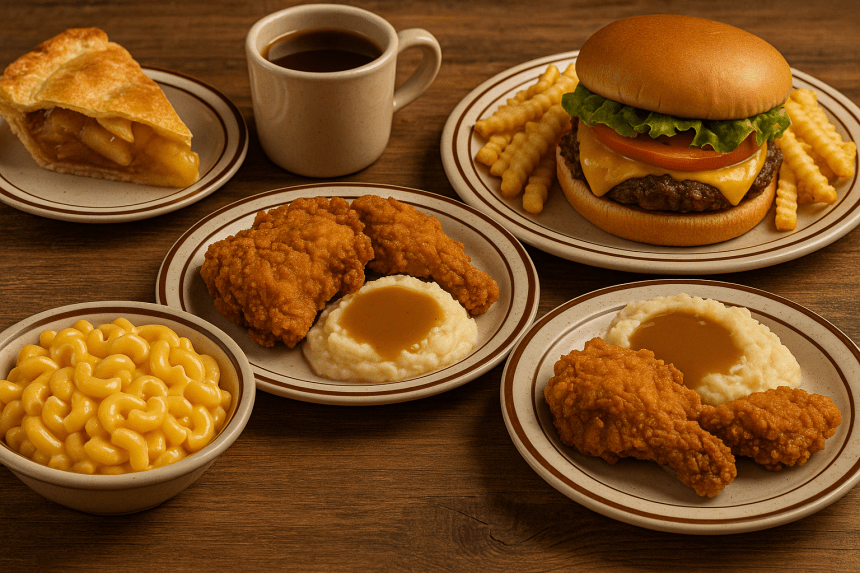
Sa isang mundong tila pabilis na papalapit sa kawalan—maging sa pamamagitan ng mabilis na pagsulong ng teknolohiya, kaguluhan sa politika, o pagbabago sa lipunan—marami ang nakakahanap ng kapanatagan sa isang pamilyar na kanlungan: ang nakakaaliw na pagkain. Ang nostalgia sa pagluluto na ito ay hindi lamang nagsisilbing sustento kundi nagpapaalala rin ng mas malalim na koneksyon sa mga nakalipas na panahon, na nagpapasigla sa mga alaala at emosyon na nagpaparamdam sa atin ng ligtas at kuntento. Habang nilalakbay natin ang mga kasalimuotan ng modernong buhay, hindi nakakagulat na ang muling pagkabuhay ng nakakaaliw na pagkain ay naging isang mahalagang trend sa gastronomic, na nag-aanyaya sa atin na bumalik sa mas simpleng mga panahon kung kailan ang isang mainit na pagkain ay isang yakap mula sa nakaraan.
Ang mga Ugat ng Nakakaaliw na Pagkain
Matagal nang may iginagalang na lugar ang mga comfort food sa mga tradisyon sa pagluluto sa buong mundo. Mula sa mac and cheese sa Estados Unidos hanggang sa shepherd's pie sa United Kingdom, ang mga pagkaing ito ay kadalasang puno ng mga recipe ng pamilya at mga personal na kasaysayan. Ang mga comfort food na pinahahalagahan natin ang humuhubog sa ating pagkakakilanlan, na sumasalamin sa ating mga kultural na pinagmulan at mga rehiyonal na lasa habang iniuugnay tayo sa mga di-malilimutang pagtitipon at selebrasyon ng pamilya.
Iminumungkahi ng mga food anthropologist na ang mga comfort food ay nagsisilbing isang uri ng emosyonal na nostalgia, na nagpapasigla sa sistema ng gantimpala ng utak at nagpapalitaw ng paglabas ng mga feel-good hormones tulad ng serotonin. Nangangahulugan ito na ang bawat kagat ng sikat na chicken soup ni lola o chocolate chip cookies ni nanay ay hindi lamang masarap kundi may kakayahan din tayong ibalik sa pagmamahal at init ng ating mga kabataan.
Ang Muling Pagkabuhay ng Pagkain na Pang-aliw
Malaki ang naging epekto ng pandemya ng COVID-19 sa pananaw natin sa pagkain at pagluluto. Habang inihihiwalay tayo ng mga lockdown sa ating mga kaibigan at pamilya, marami ang bumaling sa pagluluto bilang isang uri ng ginhawa at pagkamalikhain. Kitang-kita ang muling pagkabuhay ng mga pagkaing puno ng nostalgia, kung saan ang mga social media platform ay binaha ng mga post ng mga homemade dessert, mga klasikong recipe ng pamilya, at mga likhang inspirasyon ng comfort-food.
Ayon sa isang survey na isinagawa ng TheFoodLab, halos 61% ng mga indibidwal ang nag-ulat na mas madalas silang magluto sa bahay noong panahon ng pandemya, kung saan ang comfort food ang nangunguna sa listahan ng mga pinaka-nostalgic na pagkain. Ang simpleng kasanayang ito ay nagbigay sa mga tao ng pakiramdam ng kontrol sa isang mundong hindi mapigilan, na nagpapadali sa mga alaala ng init at koneksyon sa pamamagitan ng mga ibinahaging karanasan sa pagluluto.
Isang Pagbabago sa mga Karanasan sa Pagkain
Habang tayo ay nakakabangon mula sa pandemya, napansin din ng mga restawran at chef ang panibagong interes na ito sa mga comfort food. Maraming establisyimento ang nagbago ng kanilang mga menu upang isama ang masaganang mga handog na pumupukaw ng nostalgia, na lumilikha ng mga espasyo kung saan ang mga parokyano ay nakakaramdam ng seguridad at inaalagaan. Ang mga mamahaling kainan ay nagbigay-daan pa sa trend na ito, kung saan ang mga chef na may Michelin-star ay gumagamit ng mga comfort food gamit ang mga de-kalidad na sangkap, kaya't itinataas ang kanilang katayuan.
Mula sa mga gawang-kamay na paghahanda ng mac and cheese hanggang sa mga gourmet na pot pies, ang pagiging kaakit-akit ng mga nakakaaliw na pagkaing ito ay nakakaimpluwensya sa mga uso sa pagluluto sa buong mundo. Bukod pa rito, ang mga food truck na dalubhasa sa mga handog na nakatuon sa nostalgia ay lumilitaw sa mga lungsod, na lumilikha ng isang nasasalat na koneksyon sa pagitan ng ginhawa at komunidad.
Pagkaing Pang-aliw at ang Kinabukasan
Bagama't ang comfort food ay palaging isang maaasahang uri ng pagkain, ang kasalukuyang pagsikat nito ay nagpapahiwatig ng isang kapansin-pansing pagbabago sa pag-uugali ng mga mamimili. Habang ang mga tao ay lalong naghahanap ng emosyonal na kagalingan sa pamamagitan ng kanilang mga karanasan sa pagluluto, ang trend na ito ay malamang na magtatagal. Ang mga tagapagtaguyod ng kalusugang pangkaisipan ay nangangatwiran na ang maingat na paghahanda at pagkonsumo ng comfort food ay maaaring magsilbing isang therapeutic practice.
Sa taong 2023 at sa mga susunod pang taon, maaari nating asahan ang karagdagang inobasyon sa mga pagkaing pampalubag-loob, kasama ang mga adaptasyong nakabase sa halaman at inspirado ng mundo na sumasalamin sa nagbabagong kalagayan ng ating lipunan. Ang mga hybrid na putahe na pinagsasama ang mga tradisyonal na recipe ng pampalubag-loob at mga impluwensyang internasyonal ay magsisilbi sa isang magkakaiba at mapangahas na madla, na tinitiyak na ang mga nostalhik ay nananatili pa rin sa mga makabagong paraan.
Konklusyon
Ang patuloy na pagbabalik ng mga comfort food ay sumasalamin sa mas malawak na pananabik ng lipunan para sa mga koneksyon, katatagan, at kagalakan sa magulong panahon. Habang ninanamnam natin ang bawat kagat ng mga recipe na puno ng nostalgia na nagpapaalala sa atin ng mas simpleng mga araw, hindi lamang natin binibigyang-kasiyahan ang ating panlasa kundi niyayakap din natin ang init ng mga ibinahaging karanasan, mga ugnayan ng pamilya, at pagmamahalan ng komunidad. Habang sumusulong tayo, ang konsepto ng "nostalgia sa isang plato" ay malamang na mananatiling isang mahalagang aspeto ng ating relasyon sa pagkain, na patuloy na nagbabago habang nagbibigay ng kapanatagan na hinahanap nating lahat sa magulong panahon. Kaya, sa susunod na kainin mo ang iyong paboritong pagkain mula sa nakaraan, tandaan: hindi lamang ito pagkain; ito ay isang alaala, isang kuwento, at isang piraso ng ginhawa sa isang patuloy na nagbabagong mundo.






 English
  Arabic
  Khmer
Khmer  Vietnamese
  Tagalog
  Italian
  Spanish
  Japanese
  Chinese
  German
  French