






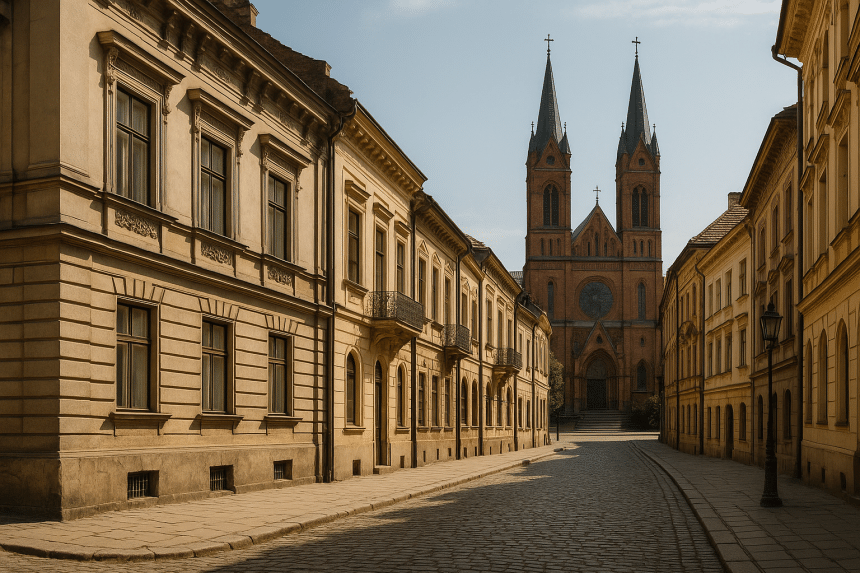
Mga Alingawngaw ng Nakaraan: Ang Kahalagahan ng Pagpapanatili ng Pamanang Arkitektura para sa mga Susunod na Henerasyon
Heritage architecture serves as a bridge connecting generations through time. The structures we build reflect our cultures, values, and histories, each telling a story that enriches our understanding of the past. Preserving these architectural gems is vital to maintaining our collective identity and fostering a sense of belonging among future generations.
One of the most significant aspects of heritage architecture is its embodiment of cultural narratives. Whether it is a quaint cottage nestled in the countryside or a grand city hall, these buildings often represent the eras in which they were constructed. They showcase the artistic styles, materials, and techniques of their time. By preserving these structures, we allow future generations to experience and appreciate the aesthetics and craftsmanship of past artisans. This appreciation can inspire new generations to continue traditional practices, ensuring that valuable skills and creative expressions are not lost.
Heritage sites also play an essential role in fostering community engagement. They serve as gathering places where people come together to celebrate local history and culture. Festivals held in historic squares or concerts in century-old theaters create vibrant atmospheres, reinforcing social ties and instilling pride in the community. These interactions contribute to a shared heritage that transcends individual experiences, enriching the lives of all who participate.
Moreover, preserving heritage architecture can have positive economic implications. Historic buildings attract tourism, which can significantly bolster local economies. Visitors are drawn to destinations rich in history and authenticity, eager to immerse themselves in the stories these structures convey. The preservation of such sites often leads to the revitalization of surrounding areas, encouraging local businesses and creating job opportunities. The unique character of heritage architecture can make neighborhoods more attractive, enhancing property values and benefiting the community as a whole.
Sustainability is another critical reason to preserve heritage architecture. Retrofitting and restoring older buildings can be more environmentally beneficial than demolishing them. Historic structures often utilize materials that are locally sourced and durable, contributing to a lower carbon footprint. By maintaining these buildings, communities can reduce waste and minimize the environmental impact associated with new construction. Embracing heritage architecture allows for a more sustainable future that honors the past while looking ahead.
The importance of educating the public about heritage architecture cannot be overstated. Schools, community organizations, and local governments must collaborate to promote awareness of the value of preserving these structures. Educational programs can help individuals understand the historical significance of local architecture, inspiring them to take an active role in preservation efforts. By instilling a sense of stewardship in future generations, we empower them to safeguard these cultural treasures.
In conclusion, preserving heritage architecture is crucial for maintaining our collective identity and fostering community engagement. The stories embedded in these structures provide a sense of belonging and continuity that transcends time. The economic and environmental benefits further underline the importance of preservation as we navigate challenges in the modern world. As custodians of our heritage, we have a responsibility to ensure that these echoes of the past resonate for generations to come. By valuing and safeguarding our architectural history, we create a more connected and enriched future for all.






 English
 Arabic
 Khmer
 Vietnamese
 Tagalog
 Italian
 Spanish
 Japanese
 Chinese
 German
 French