


The Heart of Generosity: How Community Pantries Bring People Together
In every neighborhood, there lies an opportunity for connection, compassion, and community. Community pantries embody this spirit, serving as invaluable resources that not only provide essential items to those in need but also foster relationships among residents. These grassroots initiatives have become popular in many areas, transforming the landscape of local interactions through shared generosity.
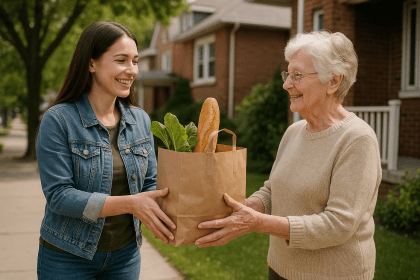
At the core of the community pantry movement is a simple yet powerful idea: neighbors helping neighbors. Participants donate food and other necessities to a communal space where anyone can take what they need without judgment. This act of giving is rooted in the belief that everyone deserves access to basic resources. The accessibility and fluidity of community pantries break down barriers, allowing people from different backgrounds to engage with one another, share stories, and offer support.
The physical presence of a pantry becomes more than just a collection of items; it serves as a gathering point. For many, it is a space where conversations begin and friendships grow. Imagine a sunny afternoon when a local family comes to drop off some non-perishable goods. As they unload their contributions, they might strike up a conversation with another person who is there to pick up supplies. Both might be surprised to discover shared experiences or interests, igniting a connection that would not have happened otherwise.
From the generosity of those who donate to the gratitude of those who receive, community pantries create an ecosystem of giving. Local businesses can also get involved, contributing surplus goods or hosting food drives. This collaboration strengthens ties not only within neighborhoods but also between different sectors of the community.
Moreover, the act of stocking the pantry itself can be a profound communal event. Families can come together to sort and organize donations, teaching children about kindness and empathy in the process. Such experiences provide practical lessons in social responsibility, encouraging future generations to carry on the legacy of generosity.
Engagement with community pantries does not stop at donation and collection. Many neighborhoods hold events to celebrate their shared efforts. Potlucks or picnic days offer a chance for residents to come together, share meals made from pantry ingredients, and deepen their connections. These gatherings foster a sense of belonging and emphasize the idea that everyone has a role to play in caring for one another.
While the immediate goal of community pantries is to alleviate food insecurity, the ripple effect extends far beyond that. They nurture a sense of trust and solidarity, building resilient communities. When individuals witness their neighbors caring for each other, it fosters a culture of helping and sharing. In times of crisis, this network of support becomes essential.
In challenging times, the importance of community becomes even more pronounced. During global events like pandemics or economic downturns, community pantries serve as lifelines, often established rapidly to meet urgent needs. Their flexibility and local orientation allow them to adapt quickly to the changing circumstances faced by their communities.
The essence of community pantries resides in their simplicity. They are not complicated bureaucratic systems; rather, they are efforts built on mutual respect and kindness. As people come together to share both food and camaraderie, they create an environment where everyone feels valued and connected.
As you look around your neighborhood, consider how a community pantry could bring people together. It relies upon the collective effort of residents who want to make a difference. Whether by starting small or partnering with existing initiatives, each contribution helps to weave a tighter community fabric.
In conclusion, community pantries shine as a beacon of generosity, illuminating the ways in which we can come together during challenging times. By fostering connections, sharing resources, and nurturing a spirit of giving, they create a heartwarming environment where everyone thrives. Ultimately, the impact of these pantries extends beyond the items exchanged; they enrich lives, strengthen bonds, and remind us of the power of community.





 English
  Arabic
  Khmer
Khmer  Vietnamese
  Tagalog
  Italian
  Spanish
  Japanese
  Chinese
  German
  French