





In today’s fast-paced world, the simple act of kindness can often be overlooked. Yet, fostering a welcoming atmosphere in our neighborhoods is essential for creating a sense of community. It can make our streets not just places we live, but vibrant spaces filled with connection and support. Here are some approachable ways to promote kindness and enhance the friendliness of every block.
Start with Small Gestures
Kindness is often found in the small, everyday actions. A warm smile or a simple greeting can pave the way for deeper connections. Imagine walking down your street and taking the time to acknowledge your neighbors. A wave or a friendly hello can open the door for further conversations. These interactions can spark a sense of belonging and encourage others to do the same.
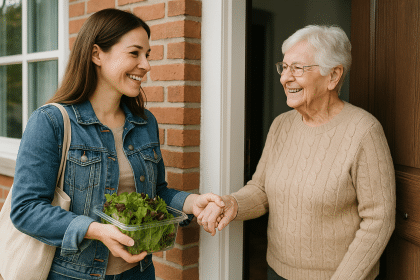
Incorporating small acts of kindness into daily routines can also strengthen connections. Consider leaving baked goods on a neighbor’s doorstep or gathering small flowers from your garden and sharing them. These thoughtful gestures can brighten someone’s day and cultivate goodwill within the community.
Organize Neighborhood Gatherings
Bringing people together in informal settings can work wonders. Organizing a block party, a potluck dinner, or a book exchange can encourage neighbors to connect in a relaxed atmosphere. Such events allow everyone to share their culture and experiences, fostering understanding and appreciation among diverse groups.
Even a simple coffee morning can serve as a platform for conversation. Set up a coffee station in a shared space, inviting everyone to stop by. These gatherings can transform strangers into friends, reinforcing the idea that community is built on shared moments.
Create a Community Noticeboard
A community noticeboard serves as a central hub for sharing information and opportunities. Setting up a noticeboard in a visible location can help neighbors connect over shared interests. Residents can post about local events, services, or even personal experiences.
Encouraging community members to share their talents, whether it’s offering a gardening workshop or promoting a local art class, can enhance engagement. This simple tool can cultivate collaboration and empower residents to take ownership of their community.
Foster Inclusivity
Inclusivity is essential for creating a warm and welcoming environment. Encourage all voices within the neighborhood, regardless of age, background, or lifestyle. Organize activities that cater to diverse interests, ensuring that everyone feels included.
Another effective strategy is to establish a welcoming committee comprised of volunteers who can reach out to newcomers. A simple welcome message or a small gift, like a local guide or home-baked treats, can make a newcomer feel valued and part of the community.
Volunteer Together
Engagement often flourishes when there is a shared purpose. Organizing volunteer opportunities can unite residents around a common goal. Whether it is a neighborhood clean-up, community garden, or a charity drive, working side by side can deepen relationships.
Encouraging families and individuals to participate in service projects helps cultivate a culture of giving and support. It can inspire compassion and motivate neighbors to collaborate beyond the project itself.
Celebrate Local Culture
Embracing the culture and traditions of the neighborhood can strengthen community bonds. Incorporate local art, music, or heritage into events. Celebrating cultural diversity through festivals or potluck dinners where everyone brings a dish from their culture can highlight the unique fabric of the community.
This focus on local culture promotes pride and enhances the identity of the neighborhood. The more residents share their stories and customs, the stronger the connections will become.
Establish Communication Channels
Open lines of communication are vital for fostering relationships. Consider creating a neighborhood group on social media or a messaging platform. This can serve as a space to share updates, seek help, or simply check in on each other.
Establishing these communication channels can ensure that everyone feels connected and informed. It provides a way for residents to support one another and engage in shared conversations.
Conclusion
Creating a welcoming atmosphere starts with kindness and intentional actions. By embracing small gestures, organizing gatherings, and encouraging inclusivity, residents can transform their neighborhoods into thriving communities. Each act of kindness contributes to a larger ripple effect, ultimately shaping a culture of warmth and connection on every block. The effort to foster kindness may be small, but its impact can be profound, enhancing the quality of life for everyone who calls the neighborhood home.





 English
  Arabic
  Khmer
Khmer  Vietnamese
  Tagalog
  Italian
  Spanish
  Japanese
  Chinese
  German
  French