





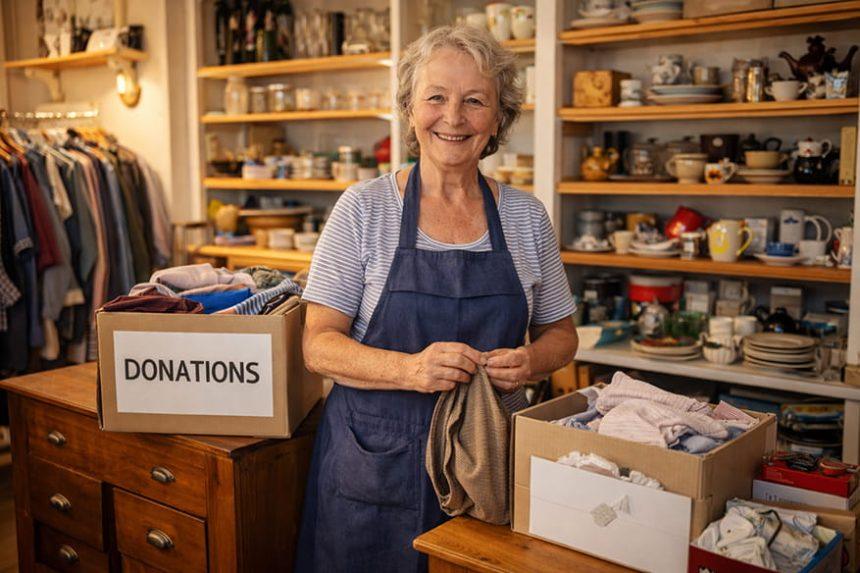
Tucked between the everyday rhythm of school drop-offs, coffee runs and weekend errands, the local op shop can be easy to overlook. From the outside, it may look like a simple second-hand store filled with donated clothes, books, kitchenware and the occasional unexpected treasure. But behind the racks and shelves, something far more important is often happening.
For many communities, op shops are not just places to find a bargain. They are quiet engines of local support, helping to fund emergency relief for people who suddenly find themselves in crisis.
Every donated jumper, every pre-loved novel and every set of mismatched mugs can play a small part in something bigger. The few dollars spent at the counter may help provide food vouchers for a family under pressure, emergency clothing for someone escaping a difficult situation, or short-term assistance for a person who has lost work, housing or stability.
It is a model built on simple community generosity. People donate what they no longer need. Volunteers sort, price and display the items. Shoppers give those goods a second life. The money raised is then directed back into programs that support people nearby.
That quiet cycle is what makes op shops so valuable. They turn everyday clutter into practical help.
Inside the store, the work begins long before the doors open. Bags of donations arrive throughout the week, often left by people who are clearing out wardrobes, downsizing homes or simply trying to reduce waste. Volunteers carefully sort through each item, checking what can be sold, what needs cleaning, what can be repaired and what may need to be recycled.
It is not glamorous work, but it matters. A good-quality shirt might end up on a rack for a few dollars. A box of children’s books might become an affordable find for a young family. A piece of furniture might help someone set up a new home after a difficult chapter.
The volunteers are often the heart of the place. Some come in once a week, others more often. Many are retirees, parents, students or locals who simply want to contribute. They steam clothes, arrange displays, test appliances, greet regulars and listen to stories. Over time, the shop becomes more than a retail space. It becomes a small social hub.
For some shoppers, it is a place to stretch a tight budget. For others, it is a sustainable way to shop. Some come for vintage finds, some for practical basics, and some just enjoy the friendly conversation. In the background, the shop continues doing its deeper work, raising funds for people who may never walk through the door.
Emergency relief can take many forms. It might be a grocery card, help with basic household items, transport support, school essentials or referrals to other services. It is often short-term, immediate and practical. The aim is not to solve every problem at once, but to help people get through the next few days or weeks when things have become overwhelming.
That support can make a real difference. A parent choosing between groceries and a bill may find breathing room. Someone starting over may be able to access clothes, bedding or kitchen basics. A person facing unexpected hardship may feel, even briefly, that they are not alone.
What makes this kind of support powerful is its local nature. The funds raised in the community often return to the community. The people donating, volunteering and shopping may be helping neighbours they will never meet. There is something quietly meaningful about that.
Op shops also challenge the idea that helping others always requires grand gestures. Sometimes it looks like donating a bag of clean clothes. Sometimes it is choosing to buy a second-hand coffee table instead of a new one. Sometimes it is volunteering for a few hours on a Tuesday morning. Small actions gather momentum.
There is also an environmental benefit. By keeping usable items out of landfill, op shops encourage reuse and reduce waste. Clothes, books, toys and household goods are given more life instead of being thrown away. In that sense, every purchase supports both people and the planet.
Still, the success of these shops depends on ongoing community care. Good donations matter. Clean, working, saleable items are far more useful than broken goods or things that cannot be safely passed on. Volunteers also remain essential, especially as demand for support services grows.
The next time you pass an op shop, it may be worth stepping inside. Not just to hunt for a bargain, but to see the quiet network of generosity at work. Behind the shelves and price tags, there is a simple idea that continues to hold strong.
One person’s unwanted item can become another person’s emergency support.
And in a world where many people are only one setback away from needing help, that kind of community effort is worth noticing.





 English
  Arabic
  Khmer
Khmer  Vietnamese
  Tagalog
  Italian
  Spanish
  Japanese
  Chinese
  German
  French