


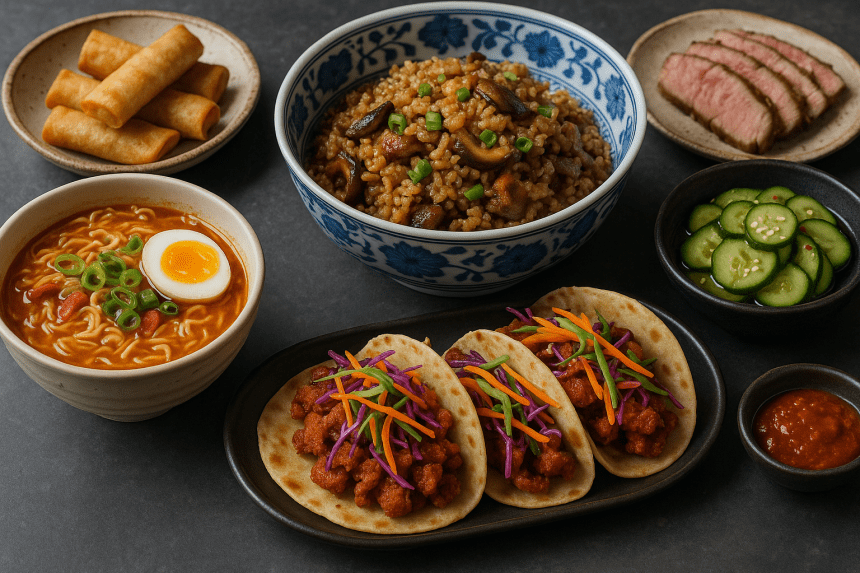
Exploring Third Culture Cuisine: Where Tradition Meets Innovation
In a world that is increasingly interconnected, the culinary landscape has evolved to reflect this growing exchange of ideas and cultures. One of the most fascinating developments in recent years is the rise of third culture cuisine, a fusion of flavors and techniques from diverse culinary traditions. This innovative approach not only celebrates heritage but also redefines the very essence of home-cooked meals.
Third culture cuisine emerges from the lives of individuals who often straddle multiple worlds. This can include immigrants, expatriates, or anyone living between cultures. These individuals bring their unique experiences and ancestral recipes to their new environments, blending them with local ingredients and culinary practices. The result is a vibrant tapestry of flavors that tell the distinct story of a person’s journey and adaptation.
At the core of third culture cuisine is the idea of innovation grounded in tradition. For many, food is an intrinsic part of identity. It carries memories of family gatherings, cultural celebrations, and the warmth of home. However, as people move across borders, they start to reinterpret these familiar recipes. A classic dish can take on new forms when it incorporates elements from a different cuisine. For example, consider a traditional Middle Eastern shawarma served in a taco format, showcasing a delightful interplay of spices and textures, reimagined for a contemporary audience.
Chefs embracing third culture cuisine often emphasize the importance of quality ingredients, local sourcing, and sustainability. By integrating local produce with international techniques, they create dishes that are not only delicious but also reflective of their environment. This approach encourages creativity while honoring culinary roots. For instance, a chef might combine the French technique of sous-vide cooking with traditional African ingredients, crafting a dish that offers a unique sensory experience.
Restaurants that specialize in third culture cuisine typically foster a sense of community and inclusivity. They serve as gathering places where patrons from different backgrounds come together to share food and stories. This communal atmosphere allows for newfound connections and promotes cultural exchange. Guests often find themselves engaged in conversations about the origins of the dishes they are tasting, further enriching their experience and understanding of diverse cultures.
In addition to enhancing dining experiences, third culture cuisine also challenges traditional notions of cultural authenticity. It encourages a more dynamic understanding of what it means to preserve culinary heritage in a modern, globalized world. Instead of seeing cuisine as static, it highlights the ongoing evolution of food as influenced by migration, travel, and cultural dialogue. The result is a dynamic culinary scene where innovation thrives.
Social media platforms have played a significant role in the popularity of third culture cuisine. Food bloggers and influencers showcase unique creations that draw attention to global flavors. This visibility encourages home cooks to experiment with their culinary traditions, creating new, personalized interpretations of familiar dishes. Online cooking tutorials and recipe sharing amplify this creative spirit, allowing individuals to reimagine their heritage through their artistic lens.
As we look to the future, it is clear that third culture cuisine will continue to shape our culinary landscape. It represents a convergence of diverse culinary practices, creating an opportunity for dialogue and understanding among different cultures. By embracing this innovative approach to cooking, we celebrate the richness of our global heritage while looking forward to a future filled with new flavors and experiences.
In conclusion, third culture cuisine exemplifies the beautiful intersection of tradition and innovation. It invites us to explore the stories behind each dish and encourages us to think beyond geographical boundaries. As we savor these unique flavors, we are reminded of the power of food to unite us in our shared human experience. Exploring third culture cuisine opens up a world of possibilities, inviting us all to participate in a collective culinary journey.





 English
  Arabic
  Khmer
Khmer  Vietnamese
  Tagalog
  Italian
  Spanish
  Japanese
  Chinese
  German
  French