





Unlocking Nature’s Secrets: The Art of the Garden Whisperer
Gardening is often seen as a simple, relaxing hobby that allows individuals to connect with nature. However, there is a deeper layer to this practice, one that those who identify as garden whisperers understand intimately. Garden whisperers have a unique ability to communicate with plants, understanding their needs and creating thriving ecosystems. This article delves into the art of becoming a garden whisperer, revealing how one can unlock the secrets of nature through attentive care and knowledge.
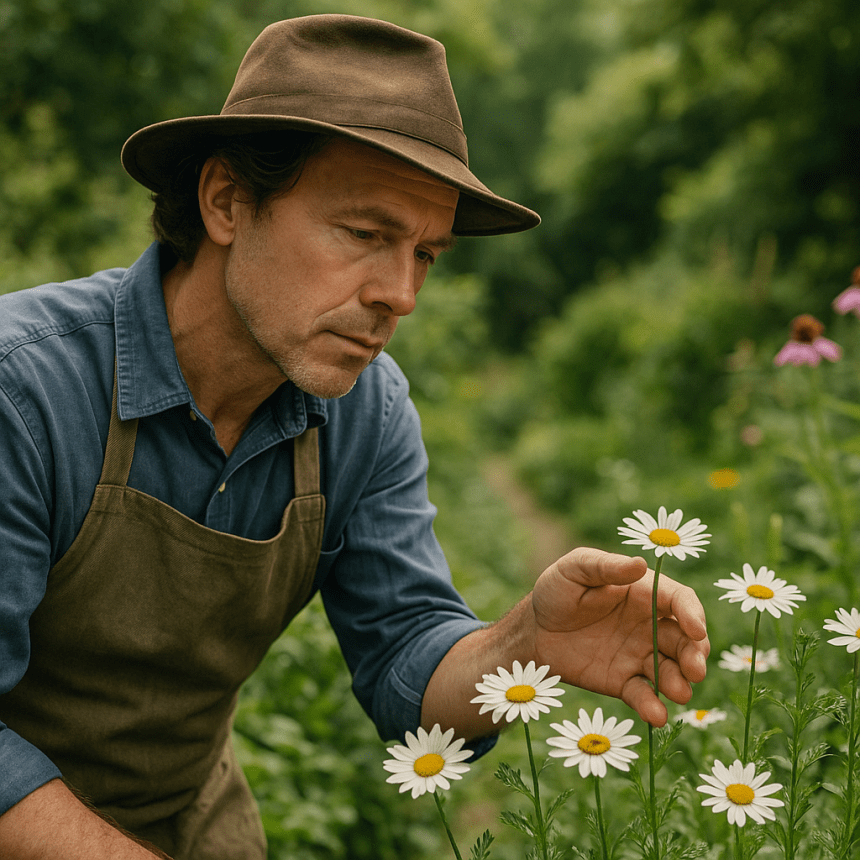
At the heart of the garden whisperer’s art is observation. It begins with spending time in your garden and taking note of the subtle changes that occur. Each plant has its own personality, and by observing their responses to weather changes, soil conditions, and even the time of day, you can begin to understand how to nurture them best. For instance, some plants may thrive in full sunlight, while others prefer partial shade. Noticing these details allows you to create an environment in which each plant can flourish.
Another critical aspect of this art is listening. This does not refer solely to auditory sounds, but rather to an intuitive sense of what the plants may need. Healthy plants often exhibit vibrant colors, while those showing signs of distress may have faded leaves or stunted growth. By learning to interpret these signs, gardeners can better address issues such as pest infestations, nutrient deficiencies, and watering needs. Through this attentive listening, garden whisperers become advocates for their plants, responding with care and adjusting conditions as necessary.
The practice of nurturing soil is fundamental to successful gardening and is an important skill for garden whisperers. Healthy soil is the foundation of a thriving garden ecosystem. It provides essential nutrients, promotes root development, and fosters beneficial organisms. Garden whisperers often focus on improving soil quality by incorporating compost, practicing crop rotation, and minimizing chemical use. They understand that a robust soil system supports not just individual plants but the entire garden community.
Additionally, garden whisperers are often keen students of botany. Gaining knowledge about the various species of plants, their lifecycles, and the ecosystems in which they thrive allows these individuals to cultivate diverse gardens. This diversity not only adds beauty but also enhances resilience, as different plants can support one another and defend against disease and pests. Learning about local flora and fauna can inform choices about which plants to include, promoting harmony between cultivated gardens and surrounding wildlife.
Connecting with fellow gardeners is another avenue for growth. Sharing experiences, tips, and successes can enrich one’s gardening practice. This exchange of knowledge fosters a sense of community and encourages ongoing learning. Attending workshops, joining gardening clubs, or participating in local gardening events can offer valuable insights and inspire creativity in garden design.
Ultimately, the art of the garden whisperer is about cultivating a deep relationship with nature. By embracing observation, listening, nurturing, and learning, one can unlock the secrets of the garden. Each plant, each season, offers new opportunities for growth and discovery. This journey creates a dynamic interplay between human and nature, fostering not only beautiful landscapes but also a profound sense of peace and connection to the earth.
As more people seek sustainable ways to engage with their environment, the role of the garden whisperer becomes increasingly relevant. This approach not only enhances personal well-being but also contributes to ecological balance. By understanding and respecting the intricate relationships within nature, we can all become a little more like garden whisperers. In doing so, we unlock nature’s secrets, revealing the wonders and wisdom that lie within every garden.