






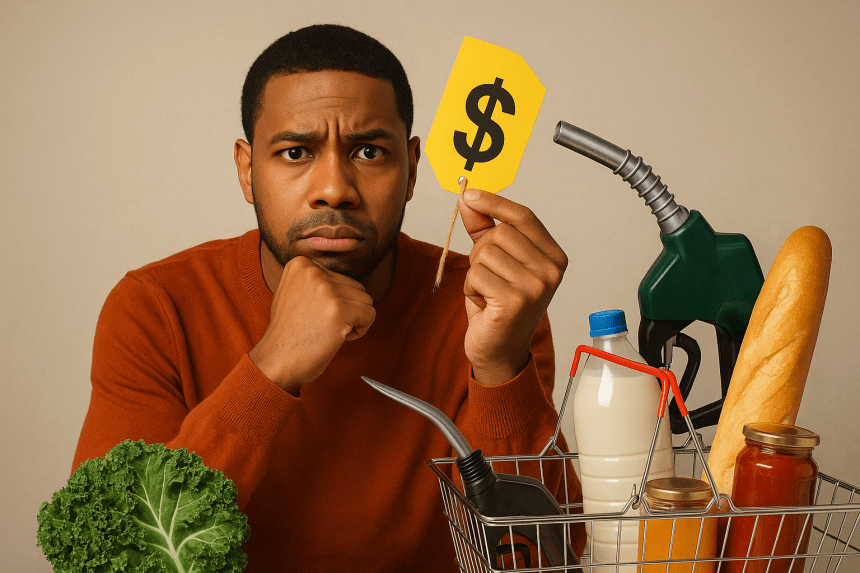
The Price Is Right? Understanding Why Everything Feels So Expensive Today
In a world where the price tags on everyday essentials seem to rise faster than our incomes, many individuals find themselves questioning why everything feels so costly lately. From the grocery store to the gas pump, the increasing price of goods has become a pressing concern for consumers everywhere. Understanding the factors driving these price hikes can not only help us make sense of the current economic climate but also guide our financial decisions in these challenging times.
The Impact of Inflation
One of the most talked-about causes of rising prices is inflation. Defined as the rate at which the general level of prices for goods and services is rising, leading to a decrease in purchasing power, inflation has become a household term. According to the Bureau of Labor Statistics, the Consumer Price Index (CPI) has seen significant increases, suggesting that consumers must now spend more to obtain the same goods and services they did in the past.
Inflation can be attributed to a multitude of factors, including supply chain disruptions, increased demand post-pandemic, and government monetary policies. During the COVID-19 pandemic, governments worldwide implemented stimulus measures to sustain economies, which led to increased money supply. As economies reopened, this surge in demand, coupled with limited supply (due to ongoing global supply chain issues), created a perfect storm for inflation.
Supply Chain Disruptions
The pandemic exposed vulnerabilities in global supply chains, leading to significant disruptions. From shipping delays to shortages of raw materials, manufacturers have faced challenges that have inevitably increased production costs. These increased costs are often passed on to consumers. Industries reliant on specific components—like electronics, automotive, and even food production—have been hit particularly hard as a result of these disruptions.
Moreover, geopolitical tensions, such as trade wars and conflicts, have further complicated supply chains, creating a ripple effect on prices for goods worldwide. The cost of shipping has seen dramatic increases as well, further exacerbating the situation.
Energy Prices and Their Ripple Effects
Energy prices, particularly for oil and gas, have also soared. Fluctuations in these prices can greatly impact everything from transportation costs to heating expenses. When energy prices rise, businesses often respond to maintain their profit margins by increasing the prices of their goods and services. This spike in energy costs, combined with the rising demand for alternatives, such as renewable energy, can create further instability in pricing.
Additionally, the transition to greener technologies can involve substantial upfront investments, which may lead to short-term spikes in energy prices, contributing to the feeling of overall expense.
Labor Market Dynamics
Another crucial element in the rising cost of goods and services is the labor market. As businesses strive to attract and retain employees in a post-pandemic world, wage growth has accelerated. While this might seem like a positive development for workers, higher wages for employees often lead businesses to increase prices to cover these expenses.
Furthermore, labor shortages in certain sectors have led to a decrease in supply relative to demand. The combination of rising wages and labor shortages, especially in vital industries such as hospitality, healthcare, and construction, can create inflationary pressures on goods and services.
Consumer Behavior
In addition to structural factors influencing prices, consumer behavior also plays a significant role. The pandemic has led to shifts in how consumers prioritize spending, with many prioritizing essential goods and services over luxury items. As consumers direct their spending towards specific sectors, prices can rise due to increased demand.
Moreover, the phenomenon of “fear of missing out” (FOMO) can drive consumers to buy products at any price, fostering an environment where businesses can raise prices with less pushback.
What Can Consumers Do?
Understanding the reasons behind rising prices is the first step for consumers facing these economic challenges. While it may be difficult to control external economic factors, there are ways to manage personal finances effectively in this climate. Here are some strategies:
-
Budgeting: Track your spending meticulously and identify areas where you can cut back.
-
Shopping Smart: Look for sales, buy in bulk, and consider generic alternatives to brand-name products.
-
Investing in Skills: Consider upskilling or reskilling for new job opportunities that might offer higher wages to combat inflation’s effects.
-
Adapting Mindsets: Developing a flexible mindset about spending and consumption can help adapt to the changing economic landscape.
Conclusion
The prevailing sentiment that everything feels too expensive today can be attributed to a complex web of factors, including inflation, supply chain disruptions, rising energy costs, labor market dynamics, and changing consumer behavior. While these challenges may feel overwhelming, understanding the underlying causes can empower consumers to navigate this landscape more effectively. Ultimately, by making informed decisions and adjusting spending habits, we can better manage our financial realities during these economically turbulent times.






 English
  Arabic
  Khmer
Khmer  Vietnamese
  Tagalog
  Italian
  Spanish
  Japanese
  Chinese
  German
  French