






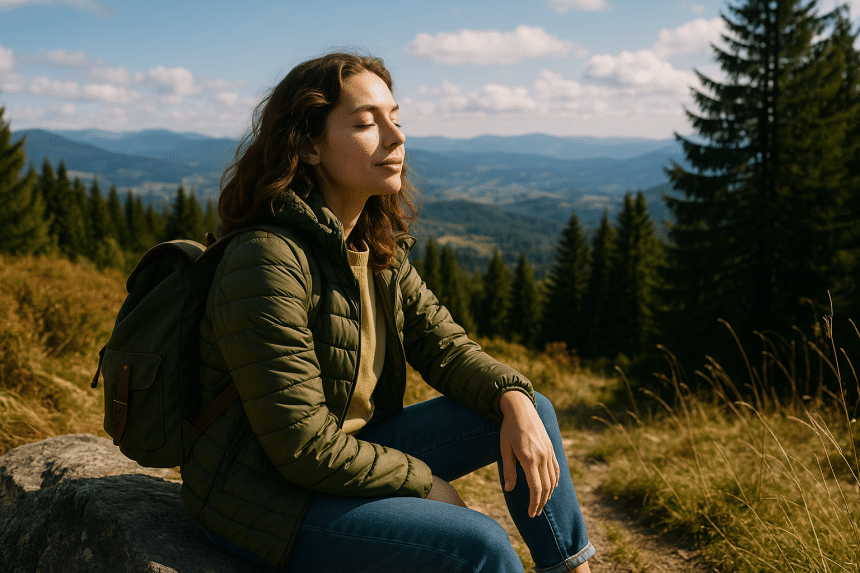
In an increasingly fast-paced world filled with technology and constant connectivity, the simple act of spending a day outdoors can feel revolutionary. Nature offers a unique refuge where one can reconnect with themselves and foster a sense of well-being. Scientific studies support the notion that time spent in natural environments can significantly improve mental health and overall mindset.
The Mental Health Benefits of Nature
Multiple research studies have documented the myriad benefits that nature has on mental health. People who spend time outdoors report lower levels of stress and anxiety. Exposure to natural environments has been linked to decreased levels of cortisol, the hormone primarily associated with stress. Furthermore, nature has the ability to distract the mind from daily stressors, allowing individuals to experience restorative effects.
Nature also encourages mindfulness. Observing a simple sunset or listening to the sound of rustling leaves can draw our attention away from troubling thoughts and ground us in the present moment. These moments of mindfulness can enhance emotional resilience, leading to a more balanced outlook.
Creativity Boost
Engaging with nature can also serve as a powerful catalyst for creativity. Studies show that taking breaks in natural settings can lead to enhanced problem-solving skills and increased creative thinking. The change of scenery and the soothing sounds of nature allow the mind to relax, making it easier to think outside of the box. Hikes, parks, or any green space provide the ideal backdrop for fostering innovation and inspiration.
Connection and Community
A day spent outdoors often encourages social interactions and strengthens bonds. Whether participating in a group hike, enjoying a picnic with friends, or simply sharing a space with others, nature fosters a sense of community. Shared experiences in natural settings can lead to deeper connections and a greater sense of belonging. This social aspect is vital for mental well-being, as human relationships play an essential role in how we feel.
Physical Activity and Its Impact
The physical benefits of spending time outdoors are equally important. Activities such as walking, hiking, or biking not only promote cardiovascular health but also boost mood-enhancing endorphins. Regular physical activity is known to reduce symptoms of depression and anxiety. When combined with the calming elements of nature, the effects can be particularly powerful, creating a holistic approach to mental wellness.
Overcoming Barriers
For many, the idea of spending a full day outdoors may seem daunting due to busy schedules or physical limitations. However, even a short amount of time in a natural setting can yield positive changes. A simple walk in the local park or tending to a garden can provide significant mental benefits. The key is to prioritize and make time for nature, regardless of how brief the interaction may be.
结论
The transformative power of nature is undeniable. From stress reduction and enhanced creativity to improved physical health and stronger social bonds, a day spent outdoors can rejuvenate the mind and spirit. Embracing the environment around us can lead to profound changes in our mindset and overall well-being. Whether it is a weekend hiking adventure or a quick lunchtime stroll in the park, making nature a regular part of our lives can yield lasting benefits. The next time you feel overwhelmed or uninspired, consider stepping outside. The natural world is waiting to provide solace and revitalization.






 English
 Arabic
 Khmer
 Vietnamese
 Tagalog
 Italian
 Spanish
 Japanese
 Chinese
 German
 French