


The Hidden World of Underground Art Galleries: Where Subversion Meets Creativity
In the heart of urban environments, where commercial establishments dominate the landscape, an intriguing phenomenon unfolds beneath the surface. Underground art galleries, often hidden away in forgotten basements or repurposed factories, have become sanctuaries for avant-garde artists and collectors alike. These spaces invite a unique exploration of creativity and subversion, challenging the conventional art scene while fostering an atmosphere of authenticity and experimentation.
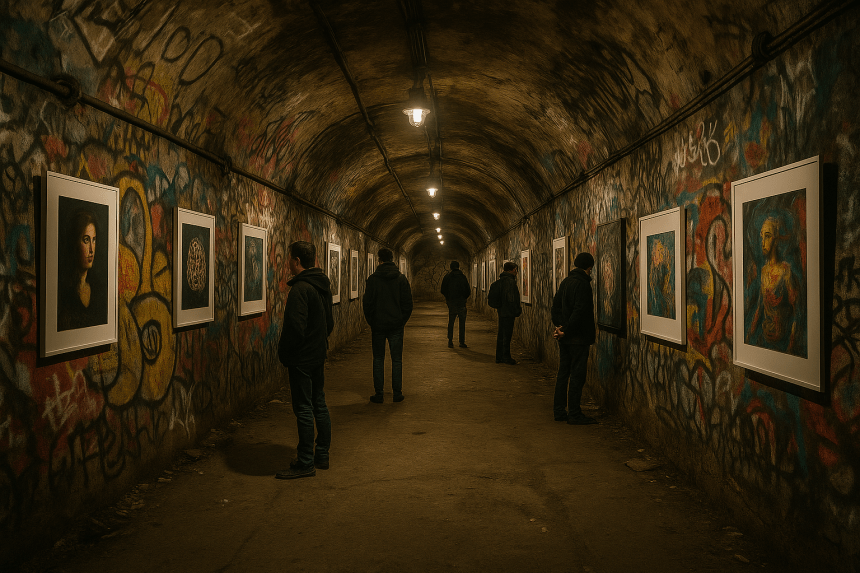
Stepping into an underground art gallery is like embarking on a journey into a different universe. The ambiance is often raw and unrefined, characterized by exposed brick walls and dim lighting that casts playful shadows on eclectic artworks. This setting serves as a canvas for artists who wish to escape the constraints of the mainstream. The galleries may feature everything from graffiti and street art to multimedia installations, reflecting a diverse array of styles and messages that resonate with an audience eager for fresh perspectives.
One of the most fascinating aspects of these underground spaces is their commitment to subversion. Unlike traditional galleries that often prioritize commercial success and marketability, underground venues serve as platforms for artists to voice dissent and question societal norms. Works displayed in these galleries frequently tackle contentious issues such as political oppression, environmental degradation, and social inequalities, provoking thoughtful discourse among viewers. This engagement transforms the art from mere observation to an active dialogue, compelling audiences to confront uncomfortable truths while celebrating the power of creative expression.
The flavor of art in these underground spaces is distinctly diverse. Viewers can experience a sensory feast, where vibrant colors and unexpected textures intermingle. The artistic creations often challenge the boundaries of conventional mediums, incorporating elements like found objects, recycled materials, and innovative technologies. Some works may be ephemeral, intended to exist in the moment, while others embrace a more permanent stance, ensuring their messages endure beyond the lifespan of a singular exhibit.
Another defining feature of underground art galleries is their community spirit. These spaces often operate on a cooperative model, where artists, curators, and attendees contribute to the ecosystem of creativity. Events such as artist talks, workshops, and live performances bring the community together, fostering connections among like-minded individuals. Visitors to these galleries often find themselves not just as passive observers, but as participants in a vibrant cultural exchange. This camaraderie imbues the atmosphere with an energy that is both palpable and inspiring.
Food and drink play a significant role in shaping the experience of underground art galleries. Many galleries host openings and events that include small bites, beverages, and even informal dining options. The culinary offerings often reflect the cultural backgrounds of the artists or the neighborhood itself, adding another layer of intimacy to the experience. As guests mingle over drinks, they engage in conversations about the art, share ideas, and forge new friendships, creating an inclusive environment where creativity flourishes.
Despite their allure, underground art galleries face challenges within the larger art ecosystem. Limited funding, lack of visibility, and regulatory hurdles can hinder their sustainability. While some galleries operate informally, often at the risk of eviction or legal repercussions, others work to establish a permanent presence, seeking to bridge the gap between subculture and mainstream acceptance. This tension between rebellion and institutional acknowledgment reflects a broader narrative within the art world, where the clash of traditional versus contemporary values plays out.
In recent years, the rise of social media has amplified the visibility of underground art galleries, connecting them with global audiences. Artists can now share their work online, attracting attention and support beyond their local communities. This shift has led to a new wave of enthusiasm for underground art, as more people become aware of its transformative power. The ability to document and disseminate creative work has allowed underground galleries to flourish, providing artists with additional opportunities for recognition and collaboration.
The hidden world of underground art galleries serves as a reminder that creativity often thrives in the shadows. These spaces are fertile ground for subversion and innovation, where artists can break free from conventional methods and audiences can immerse themselves in a dynamic cultural experience. As the art world continues to evolve, the allure of underground galleries will undoubtedly endure, inviting curious souls to discover the vibrant expressions of those who challenge the status quo. Visiting an underground art gallery is not just about viewing art; it is an invitation to engage with the world in new and transformative ways, celebrating the spirit of creativity that resides in us all.
The Hidden World of Underground Art Galleries: Where Subversion Meets Creativity


Leave a Comment




 English
  Arabic
  Khmer
Khmer  Vietnamese
  Tagalog
  Italian
  Spanish
  Japanese
  Chinese
  German
  French