




Local Treasures Unveiled: The Rise of Pop-Up Community Markets in Urban Spaces
In recent years, urban landscapes have transformed into vibrant canvases of creativity and community engagement. Amidst the rising skyscrapers and bustling streets, a remarkable trend has emerged: pop-up community markets. These temporary bazaars bring together local artisans, farmers, and entrepreneurs, creating dynamic spaces that celebrate local culture, foster connections, and promote sustainable consumption.
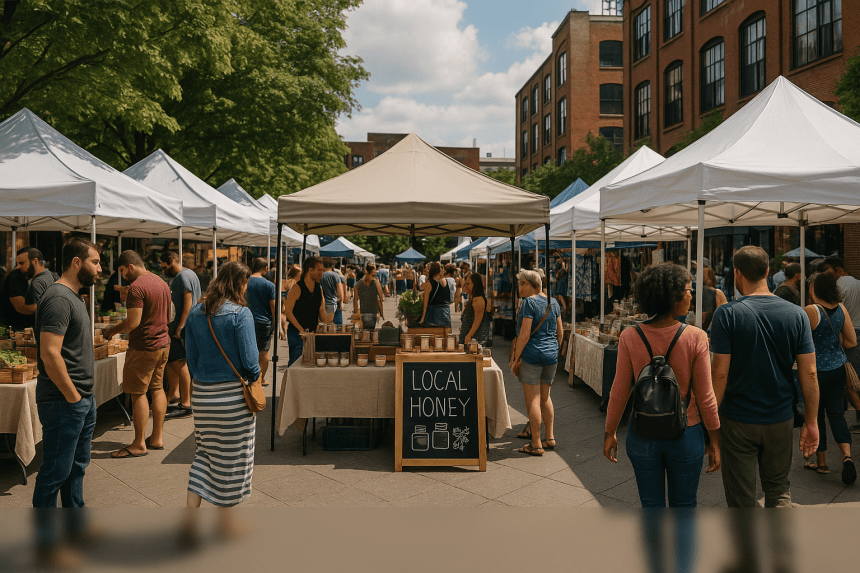
The atmosphere of a pop-up market is often an enticing blend of sensory experiences. As visitors meander through rows of colorful stalls, the air is filled with tempting aromas that evoke both nostalgia and excitement. The rich scent of freshly baked bread wafts through the air, mingling with the earthy notes of local produce and the sweet fragrance of handmade confections. Brightly colored textiles and handcrafted goods draw the eyes, each stall telling a story of craftsmanship and creativity. The sounds of laughter, conversation, and live music fill the space, creating a harmonious backdrop that invites community members to linger and explore.
One of the most appealing aspects of these markets is the diverse array of products available. Local farmers set up stands overflowing with seasonal fruits and vegetables, showcasing the bounties of their hard work. Artisans display handmade jewelry, pottery, and textiles that reflect the unique culture of the area. Food vendors offer everything from authentic street cuisine to gourmet dishes crafted with locally sourced ingredients. This celebration of local craftsmanship and agricultural produce not only supports small businesses but also encourages consumers to think critically about where their food comes from and the artisans behind the products they purchase.
Pop-up community markets also serve as essential spaces for social interaction and cultural exchange. They break down barriers and create opportunities for residents to connect with each other. A young entrepreneur selling organic soaps may spark a conversation with a local artist who exhibits stunning paintings nearby. As community members mingle, they share stories, experiences, and recommendations, fostering an inclusive atmosphere that is both welcoming and encouraging. Such interactions can lead to collaborations, friendships, and a greater sense of belonging within the urban environment.
Furthermore, these markets are often designed with sustainability in mind. Many pop-up markets prioritize eco-friendly practices, encouraging vendors to use recyclable and compostable materials. Local farmers use organic farming practices, and the emphasis on seasonal produce reduces the carbon footprint associated with transporting goods long distances. By promoting sustainable consumption, these markets contribute to a broader movement toward environmental consciousness within urban settings.
The rise of pop-up community markets represents a shift in consumer behavior, as more people seek authentic experiences and meaningful connections with their community. In an age dominated by digital interactions, these markets provide a refreshing respite—a space where the tactile reigns supreme, and human connections flourish. They encourage individuals to support local businesses, thus reinvesting in their community and strengthening the local economy.
As urban planners and city officials recognize the value of such initiatives, more markets are popping up in parks, vacant lots, and underutilized spaces. These markets not only invigorate neighborhoods but also enhance public spaces, creating a sense of vibrancy and vitality. Individuals of all ages are drawn to these lively environments, whether to shop for produce, enjoy live performances, or simply savor the atmosphere.
In conclusion, the rise of pop-up community markets is a testament to the power of creativity, community, and sustainability in urban settings. By celebrating local talent and fostering connections, these markets enrich neighborhoods, making them more livable and engaging. As we navigate the complexities of modern urban life, these community-driven spaces offer moments of joy, inspiration, and togetherness. The movement is poised to continue growing, unearthing local treasures and building stronger communities, one market at a time.





 English
  Arabic
  Khmer
Khmer  Vietnamese
  Tagalog
  Italian
  Spanish
  Japanese
  Chinese
  German
  French