





In our hyper-connected age, it often feels as if the world is always just a click away. We are bombarded by notifications, alerts, and an endless stream of information that can overwhelm our senses. While technology has its merits, it also breeds a pervasive sense of distraction and detachment from the joys of everyday life. In searching for balance, many are turning to analog activities—those that require our attention without the mediation of screens. These activities provide a delightful antidote to the constant demands of our digital existence.
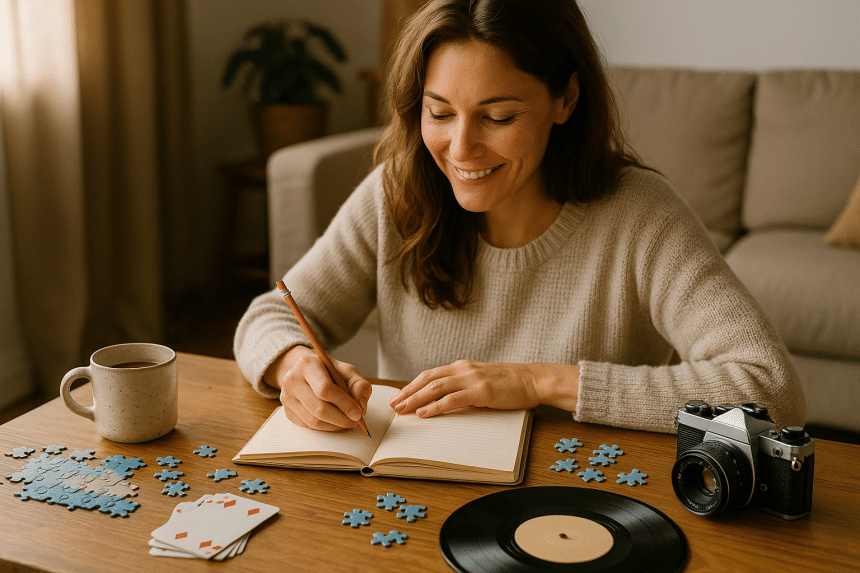
Analog activities invite us to engage deeply with the physical world around us. Whether it is doodling in a sketchbook, tending to a garden, or simply curling up with a good book, these activities serve as a gentle reminder of the simple pleasures that abound. There is something undeniably grounding about putting pen to paper, the tactile feel of the pages as they turn, or the earthy scent of freshly turned soil. Engaging in such activities allows us to momentarily set aside our devices and reconnect with our senses.
The creativity that emerges from doing things by hand cannot be overstated. Take painting, for instance. Engaging with colors and textures requires contemplation and presence, effectively pulling us into the moment. There is no need for likes or shares. The act itself is fulfilling. This kind of creativity fosters a sense of accomplishment that often eludes us in the digital realm, where so much is fleeting and ephemeral.
Moreover, these analog pursuits can nurture our relationships with others. Think of the joy in gathering friends for a board game night or enjoying a long conversation over coffee without the interruption of smartphones. In these moments, we foster connections built on shared experiences rather than online interactions. The laughter, the stories, and even the moments of silence shared create bonds that are rich and multifaceted, deeply satisfying in ways that scrolling through a feed could never replicate.
One of the most profound benefits of embracing analog activities is the space it creates for reflection. In a world dominated by constant stimulation, taking the time for simpler pursuits allows our minds to wander and explore. Journaling, for example, provides a canvas for our thoughts, helping us make sense of our experiences and emotions. While typing on a keyboard has its merits, the deliberate act of writing by hand encourages mindfulness, permitting a slower, more intentional thought process.
The physical benefits of escaping the digital world cannot be overlooked either. Spending time outdoors, away from screens, not only promotes physical health but also enhances our mental well-being. Activities like hiking, biking, or even leisurely walks provide opportunities for exercise, fresh air, and the invigorating embrace of nature. Each step taken is a step toward ridding ourselves of the digital noise that can cloud our minds.
Of course, there is no need to abandon technology altogether. Instead, the goal is to cultivate a harmonious coexistence between our digital lives and the analog experiences that ground us. By integrating analog activities into our routines, we can create a balance that enriches our lives. Finding joy in less demanding pursuits provides clarity, instills gratitude, and amplifies our overall well-being.
Embracing analog activities is not merely a nostalgic longing for the past. It is a conscious choice in favor of a more fulfilling and joyful present. As we navigate the complexities of modern life, the simple pleasures found in the tactile, the real, and the unmediated can help us reconnect with our true selves. Whether it is in the warmth of a sunny afternoon spent painting or in the lively conversations shared around a dinner table, let us remember that joy can often be found in the most uncomplicated moments, free from the digital clutter that frequently encroaches upon our lives. In rediscovering these moments, we might just rediscover ourselves.






 English
 Arabic
 Khmer
 Vietnamese
 Tagalog
 Italian
 Spanish
 Japanese
 Chinese
 German
 French