





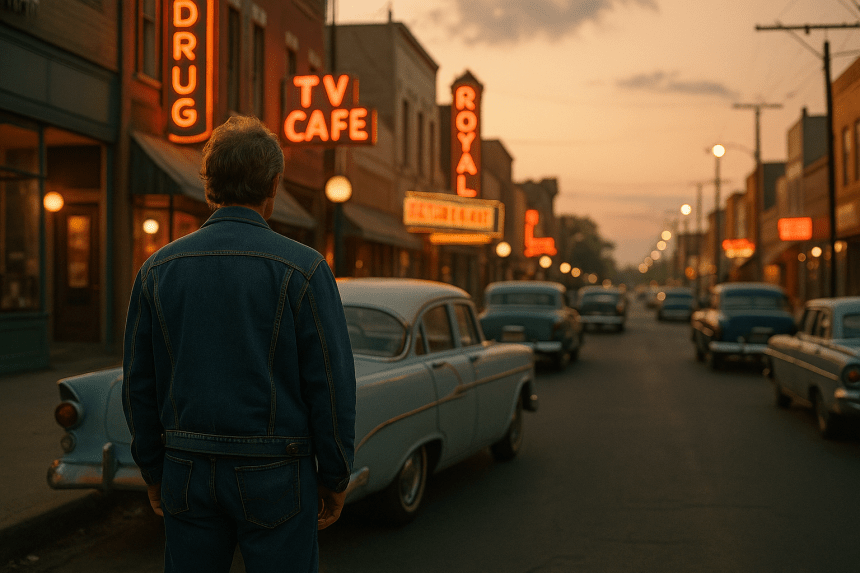
تجربة الماضي الذي لم نعرفه قط: رحلة عبر الحنين الجماعي
Nostalgia is a curious phenomenon. It has the power to transport us back in time, awakening emotions and memories that may not entirely belong to our own experiences. This complex interplay between personal Memory and collective heritage invites us to explore how we engage with histories that feel both familiar and foreign. In a world increasingly shaped by technology, globalization, and social media, collective nostalgia emerges as a potent lens through which we interpret our past.
Collective nostalgia encompasses the shared memories of a group, culture, or community. It often manifests through cultural artifacts such as music, film, literature, and visual art, inviting us to reconnect with an imagined past. This type of nostalgia can illuminate our understanding of identity, heritage, and continuity. It whispers in our ears, claiming spaces within our hearts for histories we have never lived.
Consider, for example, the resurgence of vinyl records in contemporary culture. While many of today’s music enthusiasts may not have grown up during the height of vinyl’s popularity, they are drawn to its tactile nature and the warmth of analog sound. This fascination with an era they have never personally experienced speaks to a longing for authenticity and connection. The vinyl revival not only reflects a desire for a sensory experience often lost in the digital age but constitutes a collective memory that transcends time.
Similarly, the cinematic landscape is rife with remakes, reboots, and adaptations. Films that resonate with audiences today—be they beloved classics or forgotten gems—are often resurrected, retelling stories that feel both timely and timeless. Many viewers experience a form of collective nostalgia as they watch remakes of films like “The Lion King” or “Ghostbusters,” even if these stories were not central to their childhood narratives. The emotional response is grounded in a collective memory shaped by cultural touchstones that define generations, reinforcing bonds that unify even those who have lived in vastly different contexts.
The phenomenon reaches beyond entertainment. Social media platforms amplify collective nostalgia, often curating a digital scrapbook of shared experiences. Users engage with hashtags that evoke fond memories, sparking a collective recollection of moments that may never have intersected with their personal histories. A nostalgic trend can sweep through feeds, as people reminisce about the simplicity of childhood activities like playing outside or watching Saturday morning cartoons. This interaction can feel paradoxical because it connects people through experiences they may not have actually shared, yet it fosters a sense of belonging that is undeniably powerful.
As we delve into this collective nostalgia, it is important to consider its implications. The warmth of shared reminiscence can foster community and kinship, but it also invites us to reflect critically on the past. Nostalgia can sometimes be selective, amplifying certain narratives while silencing others. This selective memory can gloss over darker historical truths, risking the romanticization of past eras that may have been fraught with complexities that today’s audiences might overlook.
By engaging with memories that are not our own, we can inadvertently perpetuate particular narratives while sidelining others. This necessitates a thoughtful exploration of what we choose to remember and why. As we strive to embed ourselves in the nostalgia of our communities, we must balance our emotional connections with a commitment to authenticity and inclusivity. The aim should be to honor the memories that have shaped our identities while recognizing and elevating the stories that deserve a place alongside them.
The journey through collective nostalgia is ultimately an invitation—to explore our histories, to connect with others, and to engage in meaningful dialogues about the past that linger in our collective consciousness. By fostering curiosity about the experiences and memories of those around us, we nourish the richness of our shared narratives. In doing so, we can forge a deeper understanding of ourselves and our communities, allowing collective nostalgia to serve not only as a bridge to the past but also as a means to inform our present and future.
In conclusion, experiencing the past we never knew is a complex and vibrant journey. While it often leads us to communal joys, it also invites scrutiny and reflection. As we navigate this landscape, let us remain open to the myriad stories that intersect within it, encouraging an inclusive conversation that honors the full spectrum of our shared human experience. Through this exploration, the past—no matter how distant—remains alive in our hearts, shaping the narrative of who we are and who we aspire to be.





 English
  Arabic
  Khmer
Khmer  Vietnamese
  Tagalog
  Italian
  Spanish
  Japanese
  Chinese
  German
  French