






Flavors Without Borders: The Rise of Third Culture Food
In an increasingly interconnected world, the culinary landscape is undergoing a transformative shift. Third culture food has emerged as a compelling representation of this change, blending flavors, techniques, and ingredients from diverse culinary traditions to create dishes that defy categorization. This phenomenon is more than just a trend; it reflects the evolving identities of multicultural societies where people draw from their heritage while incorporating new influences.
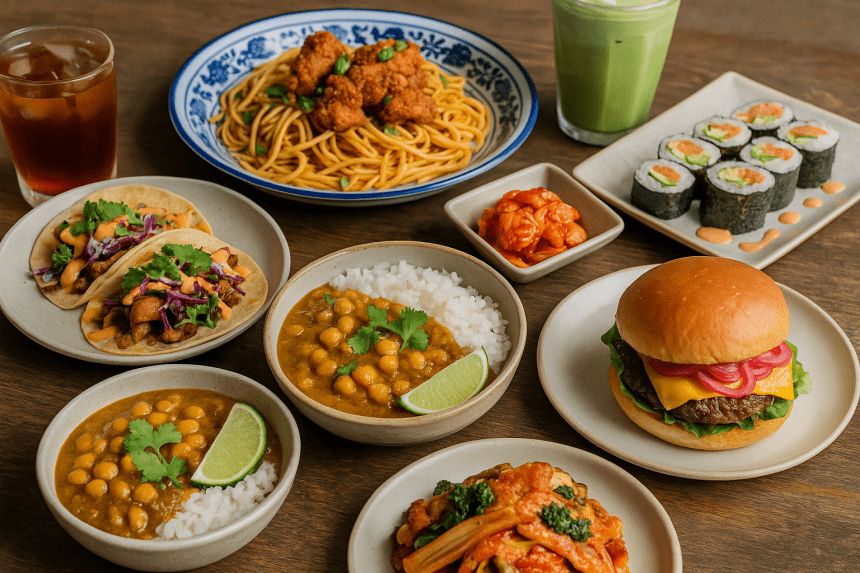
At the heart of third culture food lies the idea of cultural fusion. Imagine a dish featuring pasta topped with a rich, aromatic curry sauce. The base may evoke the comfort of a traditional Italian meal, yet the spices transport you to the vibrant streets of South Asia. This blending of culinary traditions offers an opportunity to savor familiar ingredients in new and exciting contexts.
The atmosphere surrounding third culture food is one of creativity and innovation. Artisanal eateries and pop-up restaurants often serve as incubators for these culinary experiments, where chefs take inspiration from their own multicultural backgrounds or the diverse community surrounding them. The dining experience becomes an exploration, where the unexpected pairing of flavors invites curiosity and conversation.
For many, third culture food serves as a way to reclaim and celebrate their identities. As individuals navigate multiple cultures, their cooking reflects not just personal influences but also a collective experience of cultural exchange. Flavors intersect in a manner that creates a narrative of belonging and familiarity. An array of vibrant tacos stuffed with kimchi, a twist on classic street fare, is emblematic of this fusion. The crunchiness of the fresh vegetables combines with the piquant flavor of fermented cabbage to create a unique taste that is both traditional and modern.
In urban centers around the globe, third culture food is not just changing menus; it is reshaping social dynamics. Food trucks, community festivals, and farmer’s markets become platforms for diverse voices to share their culinary heritage. By presenting their unique dishes, chefs and home cooks foster a sense of community while inviting patrons to engage with flavors that are both foreign yet accessible. This shared culinary experience creates an atmosphere of unity in diversity.
As people increasingly seek authenticity in their dining experiences, third culture food has oftentimes become a conduit for storytelling. Chefs leverage their familial recipes, taking care to preserve elements of the original dishes while introducing novel ingredients or techniques. This results in food that connects diners to distant cultures without the need for extensive travel. A fusion burger, for instance, might incorporate spices commonly found in the Middle Eastern cuisine, elevating a standard fare into a global journey encapsulated in a bun.
Furthermore, the rise of social media has propelled third culture food into the spotlight. Photogenic plates adorned with vibrant colors and unexpected combinations entice users to share their experiences, further fueling interest in fusions from different corners of the world. Instagram and TikTok serve as platforms where culinary creativity can flourish, inviting experimentation and recognition from a wider audience. This has given rise to a trend of global dining experiences that are not only about satisfying hunger but also about collecting moments and memories.
The journey of third culture food does not come without challenges. Critics may argue that such fusions dilute traditional cuisines, leading to a loss of authenticity. However, proponents celebrate the idea that food is an ever-evolving entity, shaped by those who consume and create it. The intersection of cultures through food is not necessarily indicative of appropriation; rather, it can signify appreciation and a desire for sharing.
In a world where exchange of ideas and cultures is at an all-time high, third culture food stands as a testament to the beauty of diversity. It encourages a rethinking of culinary traditions and inspires collaboration across cultural lines. As guests savor innovative dishes infused with global influences, they also partake in the rich tapestry of human experience that food uniquely encapsulates.
As we look to the future, third culture food will continue to evolve, bringing together flavors and stories from a multitude of backgrounds. The act of dining will remain a shared experience, bound by the universal language of taste. Flavors without borders celebrate creativity, identity, and community, reminding us that food has the power to unite and inspire, transcending geographical and cultural divides.





 English
  Arabic
  Khmer
Khmer  Vietnamese
  Tagalog
  Italian
  Spanish
  Japanese
  Chinese
  German
  French