





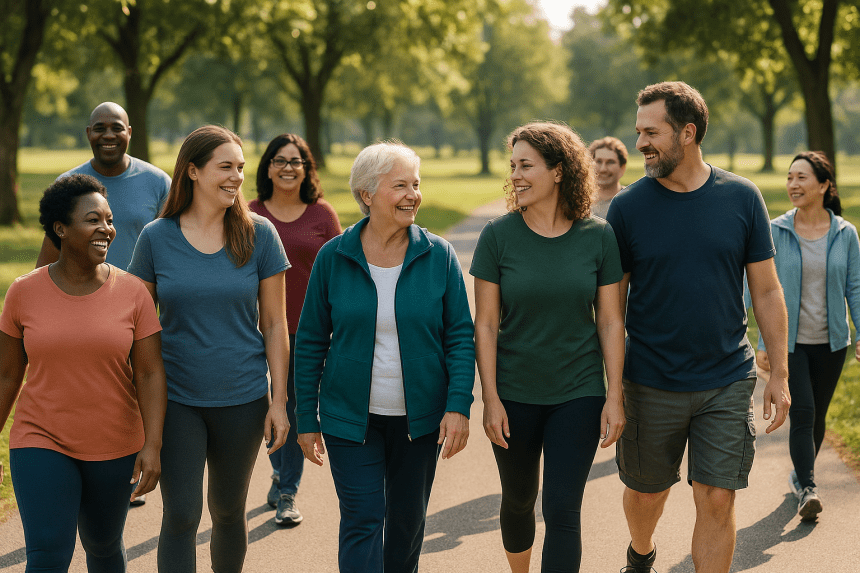
Building Connections Through Community: The Joy of Starting a Local Walking Group
In an age where technology often replaces face-to-face interaction, the simple act of walking can become a powerful tool for community building. Starting a local walking group creates a space for connection, fostering relationships between neighbors and promoting a healthy lifestyle. This article explores how to initiate a walking group that encourages social interaction and enhances the sense of belonging in any community.
Why Walking Groups Matter
Walking is one of the most accessible forms of exercise. It requires no special equipment and can be done anywhere. By establishing a walking group, participants can enjoy the physical benefits of walking while simultaneously strengthening social ties. Engaging with neighbors during these leisurely strolls can lead to conversations, shared stories, and the formation of friendships. Moreover, a walking group can alleviate feelings of isolation often felt in tightly-knit communities or larger urban settings.
Step 1: Finding Your Motivation
The first step to starting a walking group is determining your motivation. Are you looking to meet new people, create a support network, or simply enjoy the outdoors? Whatever your reason, being clear about your goals will help attract like-minded individuals who share your vision. If possible, try to connect with potential members in advance to gauge their interest and build excitement.
Step 2: Choosing a Convenient Meeting Point
Select a meeting location that is easily accessible for most group members. Consider parks, community centers, or popular local landmarks. A familiar setting will ease newcomers into the group, allowing them to feel comfortable and welcomed. It is also beneficial to choose a location that offers safe walking paths or trails, ensuring that all participants can enjoy the experience without worry.
Step 3: Setting a Regular Schedule
Consistency is key when establishing a walking group. Commit to a regular schedule that works for most participants, whether that means meeting once a week or more frequently. Set a specific day and time, and be sure to communicate any changes clearly. A predictable routine helps members incorporate the walking group into their lives and encourages them to show up.
Step 4: Spreading the Word
Promoting your walking group can be done in a variety of ways. Utilize local social media platforms to announce your gatherings and invite members of the community. Consider creating flyers to distribute at community centers, libraries, or coffee shops. Word of mouth is equally effective; share your plans with friends, family, and neighbors. The more people involved, the more vibrant your walking group will become.
Step 5: Creating an Inclusive Environment
A successful walking group welcomes individuals of all fitness levels and backgrounds. When organizing walks, encourage conversations and connections. Be mindful of the pace set for the group, allowing everyone to keep up comfortably. Consider integrating fun elements such as themed walks or social gatherings after a stroll. Engaging activities strengthen the bonds between members, making the group feel more like a community.
Step 6: Embracing the Journey Together
Walking is not just about physical activity; it is an opportunity for storytelling and sharing experiences. Encourage participants to discuss their interests, hobbies, and life lessons while enjoying the scenery. This open dialogue fosters meaningful connections which can transform casual acquaintances into lasting relationships.
Organize occasional potluck events or picnics at the end of a walking session to reinforce community ties. These gatherings encourage interaction beyond the walking routes, nurturing friendships and building a support network.
Step 7: Celebrating Progress
As the group grows, take time to celebrate milestones, whether it is the number of walks completed, the distance covered, or the friendships formed. Recognizing achievements helps to motivate participants and reinforces the sense of community. Consider small gestures such as sharing a simple certificate or organizing a celebratory walk. The sense of accomplishment will inspire everyone to continue participating.
Conclusion: Enjoying the Journey Together
Starting a local walking group is an enriching experience that promotes health and well-being while building essential community ties. The friendships forged on these walks can lead to shared experiences that enhance everyone’s quality of life. By creating a space that encourages openness and inclusiveness, you can transform casual strolls into a robust network of support and camaraderie. Gather your neighbors and step outside to embark on a journey of friendship and wellness; the path to community begins with just one step.





 English
  Arabic
  Khmer
Khmer  Vietnamese
  Tagalog
  Italian
  Spanish
  Japanese
  Chinese
  German
  French